
The Impact of Venue Acoustics on Recorded Sound Quality
When we listen to music, we often focus on the artist, the instruments, or the lyrics. However, there is another crucial factor that can greatly affect the quality of recorded sound – venue acoustics. The acoustics of a venue can make or break a performance, and in the case of recording, it can make a significant impact on the final product. In this article, we will explore the importance of venue acoustics on recorded sound quality and how it can shape our listening experience.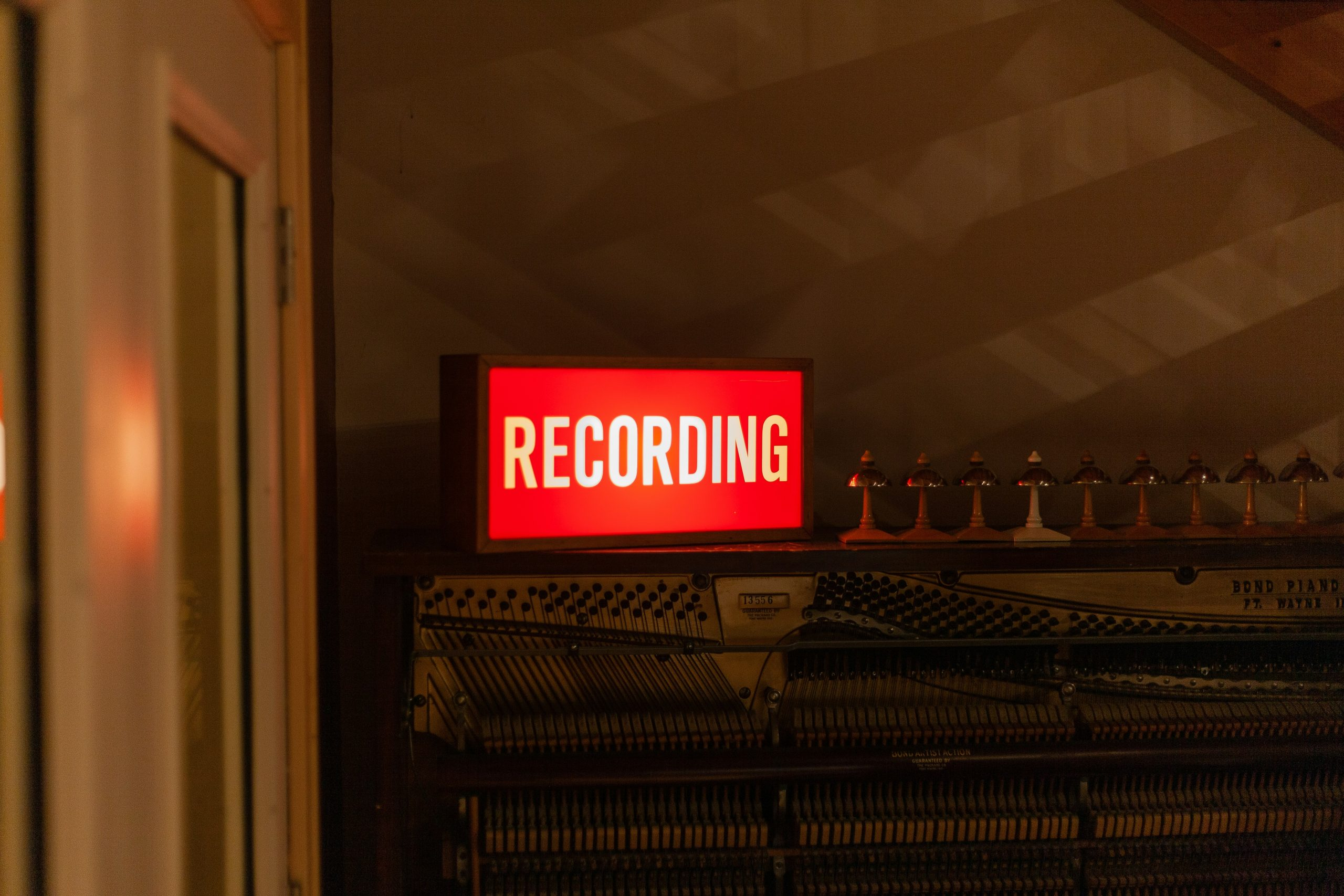
The Basics of Venue Acoustics
Before we delve into the impact of venue acoustics on recorded sound, let’s first understand what it means. In simple terms, acoustics refer to the way sound waves interact with the environment. Venue acoustics, then, is the study of how sound behaves in a particular space. Depending on the size and shape of the venue, the materials used for construction, and the presence of sound-absorbing elements, the acoustics of a venue can vary greatly.
Venue Acoustics and Live Performances
For musicians, understanding the acoustics of a venue is crucial for delivering a high-quality performance. A room with poor acoustics can make it difficult for performers to hear themselves and each other, resulting in off-key singing or missed cues. In contrast, a well-tuned venue with good acoustics can enhance the sound of the instruments, making the performance more enjoyable for both the musicians and the audience.
Many musicians go through extensive sound checks and adjustments before a live performance to ensure that the acoustics of the venue are suitable for their music. Some even carry specialized equipment and tools to compensate for poor acoustics, such as sound dampening panels or microphones with different frequency responses.
The Impact of Venue Acoustics on Recorded Sound Quality
When it comes to recorded music, venue acoustics play a significant role in the final sound quality. The microphones used to record the performance will pick up not only the sound of the instruments and vocals but also the natural reverb and resonance of the venue. These factors can add depth and character to the recording, enhancing the overall listening experience.
On the other hand, if the acoustics of the venue are not ideal, it can negatively impact the recording. For example, a room with too much echo or reverberation can produce a muddled sound, making it difficult to distinguish between different instruments or vocals. Similarly, a room with poor sound isolation can pick up unwanted noise, such as outside traffic or air conditioning, which can interfere with the recording quality.
The Role of Technology in Improving Venue Acoustics
While traditionally, musicians and sound engineers had to rely on the acoustics of the venue to get the best sound, advancements in technology have made it possible to improve the acoustics of a room artificially. For live performances, sound reinforcement systems can be used to amplify and enhance the sound in a venue, compensating for poor acoustics and achieving a better-sounding performance for the audience.
In the case of recording, audio engineers can also use digital tools and software to alter the acoustics of a room. For example, they can add artificial reverb or echo to a recording to achieve the desired sound, or use noise reduction techniques to eliminate unwanted noise. While this approach may not always produce the most natural sound, it can significantly improve the overall quality of the recording.
Conclusion
In conclusion, venue acoustics play a vital role in the quality of recorded sound. Whether it’s a live performance or a recording session, understanding and optimizing the acoustics of a venue can greatly impact the final product. While technology has made it possible to improve the acoustics of a room, nothing beats the organic sound of a well-tuned and acoustically-sound venue. So, the next time you listen to your favorite album or attend a concert, pay attention to the venue acoustics, and you may appreciate the music in a whole new way.