
Experiencing Wildlife Safaris: Ethical Practices and Best Locations

Welcome to the world of wildlife safaris, where you can witness the mesmerizing beauty of nature and encounter some of the most fascinating creatures on the planet. However, with the rise in popularity of these safaris, there has also been a growing concern about the ethical practices involved in them. Are these wildlife safaris really benefiting the animals and their habitats, or are they just contributing to their exploitation? In this article, we will explore the ethical implications of wildlife safaris and help you discover the best locations to experience them responsibly.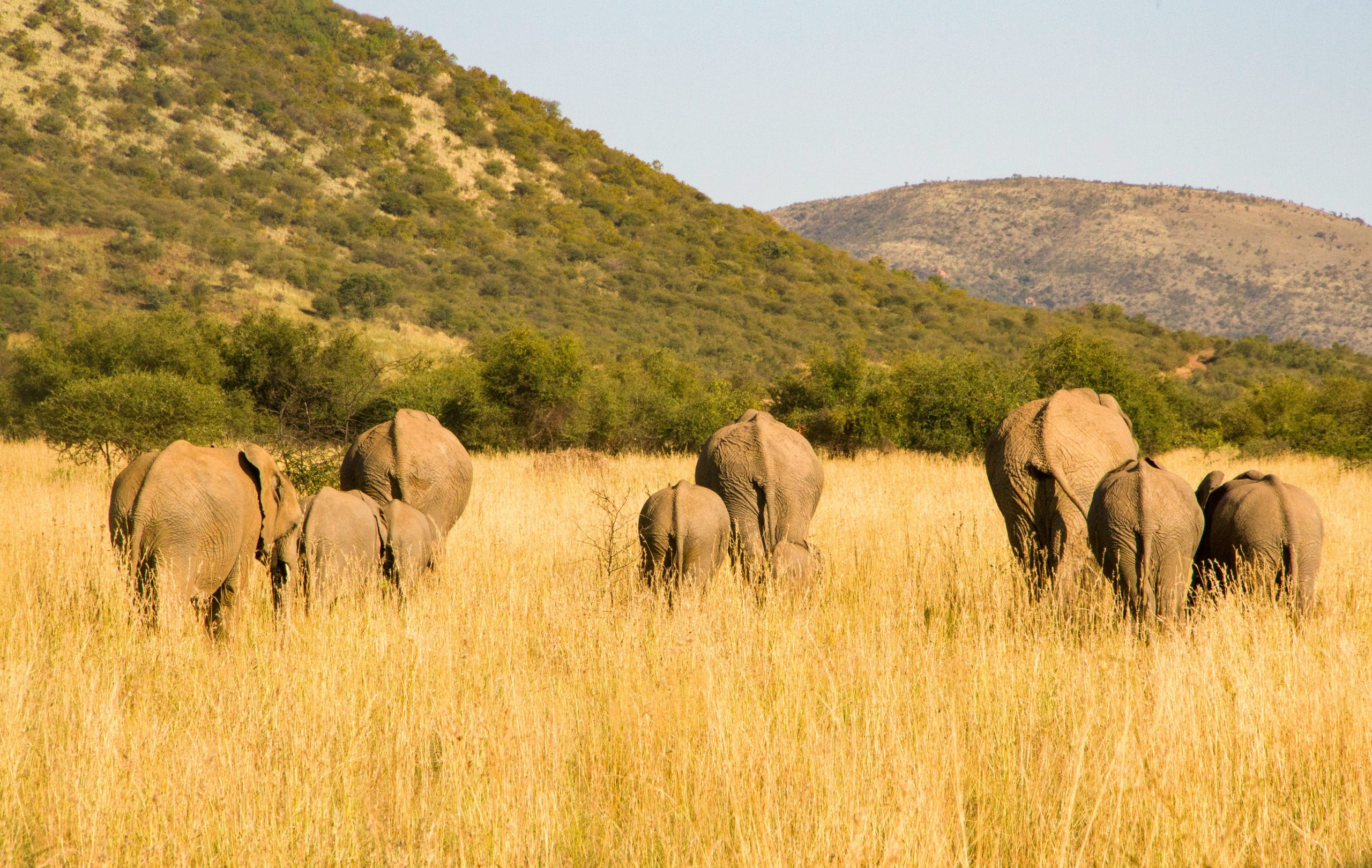
What are Wildlife Safaris?
Wildlife safaris are tours or trips that involve observing and photographing animals in their natural habitat, usually in protected areas such as national parks or game reserves. These tours can range from short day trips to longer expeditions that can last for weeks. In recent years, wildlife safaris have become more popular as people seek out a closer and more personal experience with nature and wildlife.
The Importance of Ethical Practices
While wildlife safaris offer a thrilling and unique opportunity to get up close and personal with some of the world’s most magnificent creatures, it is important to ensure that these encounters are done ethically. Unfortunately, not all wildlife safari operators adhere to ethical practices, and this can have a detrimental impact on the animals and their environment.
Some of the common unethical practices in wildlife safaris include overcrowding, disturbing animals in their natural habitat, getting too close to the animals, and exploiting them for entertainment. These practices can cause stress and anxiety to the animals, disrupt their natural behavior, and even lead to their injury or death. Therefore, it is essential to choose a responsible and ethical safari operator who prioritizes the well-being of the animals.
Best Locations to Experience Wildlife Safaris Ethically
Tanzania
Tanzania is home to the world-famous Serengeti National Park, known for its annual Great Migration of millions of wildebeest and other animals. This country also has a diverse range of habitats, from mountains to savannas, making it a perfect spot for wildlife safaris. Tanzania is committed to responsible and sustainable tourism, and safari operators here follow strict ethical guidelines to protect the animals and their environment.
Botswana
Botswana is often hailed as one of the best safari destinations in Africa due to its extensive network of game reserves and national parks. Here, you can find a vast array of wildlife, including the famous Big Five (lion, leopard, elephant, rhinoceros, and buffalo). The government of Botswana is deeply committed to conservation and has strict laws in place to ensure that wildlife safaris are carried out ethically.
Costa Rica
If you prefer a safari experience that is closer to home, then Costa Rica is an excellent option to consider. This small Central American country is known for its rich biodiversity and robust ecotourism practices. Here, you can embark on a variety of wildlife safaris, including birdwatching tours, jungle walks, and boat rides through lush rainforests. Famed for its sustainability efforts, Costa Rica is a great place to experience wildlife safaris ethically.
India
No list of wildlife safari destinations is complete without mentioning India. The country boasts of several national parks and reserves, each with a unique mix of flora and fauna. From the majestic tigers in Ranthambore National Park to the endangered one-horned rhinos in Kaziranga National Park, India is a paradise for animal lovers. Furthermore, the country has strict laws to protect its wildlife and promote ethical tourism.
Conclusion
Wildlife safaris are a once-in-a-lifetime opportunity to witness the beauty of nature and its creatures up close. However, it is crucial to choose a responsible and ethical safari operator to ensure that these encounters are done sustainably and do not harm the animals or their habitats. By visiting the locations mentioned in this article, you can have an unforgettable experience while also supporting wildlife conservation efforts. So, pack your bags and get ready to embark on a journey of ethical and responsible wildlife safaris.