
The Evolution of Musical Instruments Across Different Cultures
Music is a universal language that has been used by people in different cultures and societies for centuries. It is a form of expression that brings people together and allows them to communicate their thoughts, feelings, and emotions without the need for words. One of the most important elements of music is the musical instrument, which has evolved over time to play a vital role in the creation and production of music. Musical instruments have been used in various cultures around the world, and each culture has its own unique instruments that have evolved through the years. In this article, we will explore the rich history and evolution of musical instruments across different cultures, and how they have shaped the music we know and love today.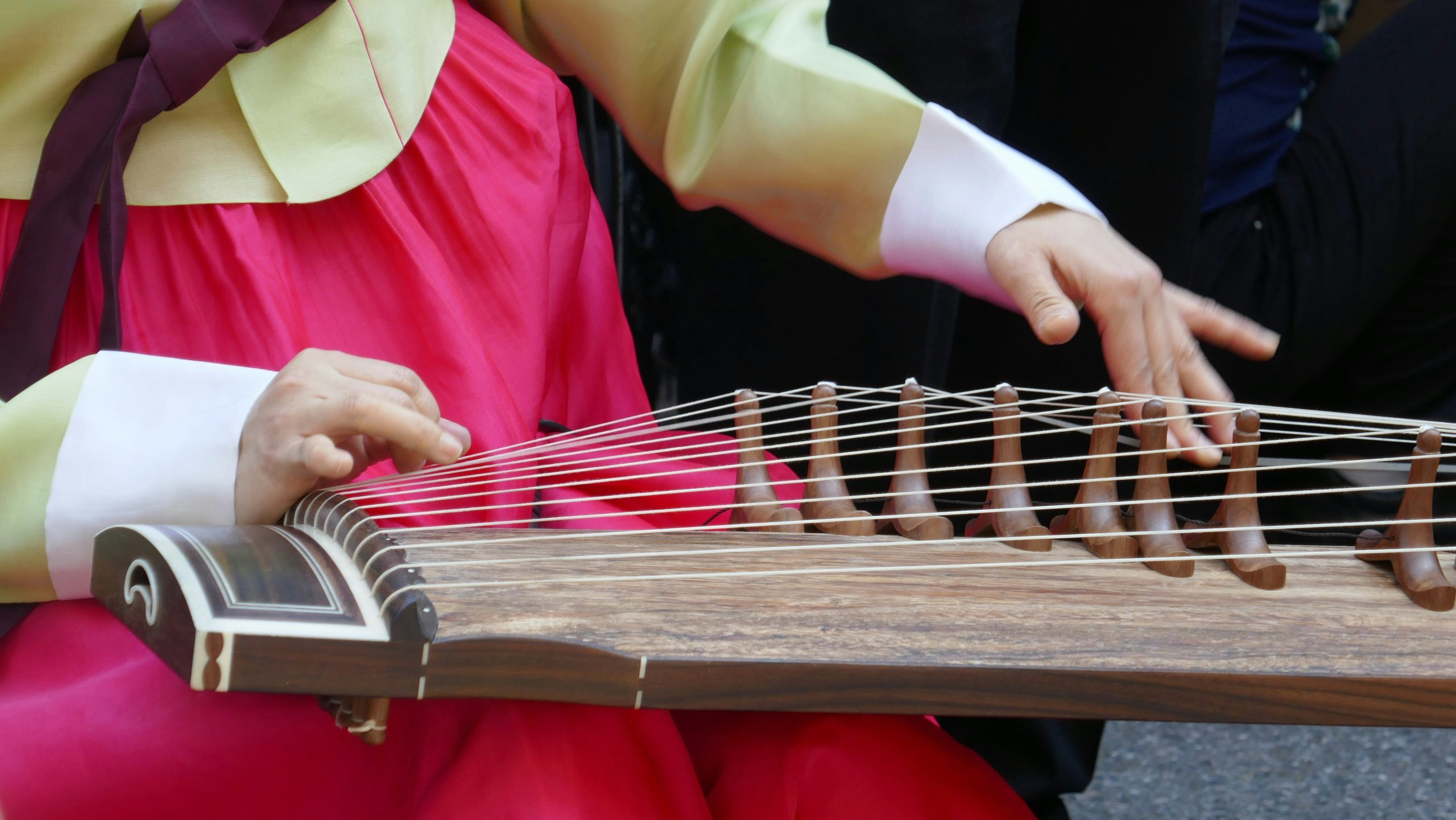
The Early Beginnings of Musical Instruments
The earliest forms of musical instruments can be traced back to ancient civilizations such as the Egyptians, Greeks, and Romans. These early instruments were mostly made from natural materials like bones, shells, and wood. They were simple in design and were used primarily for religious and ceremonial purposes. Some of the oldest known instruments include flutes, drums, and stringed instruments like lyres and harps. These instruments paved the way for the development of more sophisticated and complex instruments in the future.
The Influence of Eastern Cultures on Musical Instruments
As human civilization progressed, so did the evolution of musical instruments. The Eastern cultures, particularly those in China, Japan, and India, played a significant role in the development of new and innovative instruments. The Chinese were known for their invention of the first keyboard instrument, the guqin, which dates back to 3000 BC. On the other hand, Japan introduced the shamisen, a three-stringed instrument that became an essential part of traditional Japanese music. In India, the sitar and tabla are two of the most iconic instruments that have been used for centuries in classical and folk music.
European Influence on Musical Instruments
The Renaissance period in Europe marked a significant advancement in music and musical instruments. It was during this time that many of the instruments we know today were developed. One of the most iconic instruments of this era is the piano, invented by Bartolomeo Cristofori in the early 1700s. Other notable instruments that emerged during this period include the violin, flute, and trumpet. These instruments were crucial in shaping classical music and laid the foundation for the instruments we use in modern-day orchestras.
American and African Influences on Musical Instruments
The Americas and Africa also have a rich history when it comes to the evolution of musical instruments. In North America, the Native Americans used instruments such as the flute and drums in their music and ceremonies. In the African continent, the djembe, a type of drum, holds a significant cultural value and is still widely used in traditional African music. The African influence on music can also be seen through the use of percussion instruments like congas and bongos in various genres like jazz, salsa, and afrobeat.
The Modern Era of Musical Instruments
With the advancement of technology in the 20th century, the world of music and musical instruments experienced a significant shift. Electronic instruments such as synthesizers and electric guitars were introduced, changing the sound and style of music produced. These instruments were also more accessible and affordable, allowing individuals from all backgrounds to learn and create music. Furthermore, advancements in recording technology also enabled musicians to experiment and create new sounds, giving rise to new genres like electronic and pop music.
The Influence of Globalization on Musical Instruments
The 21st century is characterized by globalization, which has had a profound impact on music and musical instruments. With the ease of travel and the sharing of cultures, traditional instruments from different parts of the world have become popular in other regions. For instance, the Japanese koto is now used in modern American music, while the Indian sitar has been featured in songs by Western artists like The Beatles and The Rolling Stones. This blending of cultures and traditions has led to the evolution of new and unique instruments.
In Conclusion
Musical instruments have been a crucial part of human society for thousands of years, and their evolution has had a significant impact on the music we know and love today. From the ancient civilizations to the modern era, musical instruments have been constantly evolving, adapting to changes in technology, culture, and society. They have also played a vital role in bringing people together, bridging language and cultural barriers. As we continue to move forward, it will be fascinating to see how musical instruments will continue to evolve, shaping the future of music for generations to come.