How Demographic Shifts Are Reshaping Future Housing Demands

As society and culture continue to evolve, so do the needs and demands of its inhabitants. The world we live in today is vastly different from the one that existed just a few decades ago. Technological advancements, globalization, and changing demographics have all played a significant role in reshaping the way we live and how we choose to live. One major area that has been greatly impacted by these changes is the housing market. Gone are the days of the traditional nuclear family and the suburban dream home. Instead, we are seeing a major shift in demographics that is reshaping the future of housing demands. In this article, we will explore how demographic shifts are influencing the housing market and what this means for the future of housing.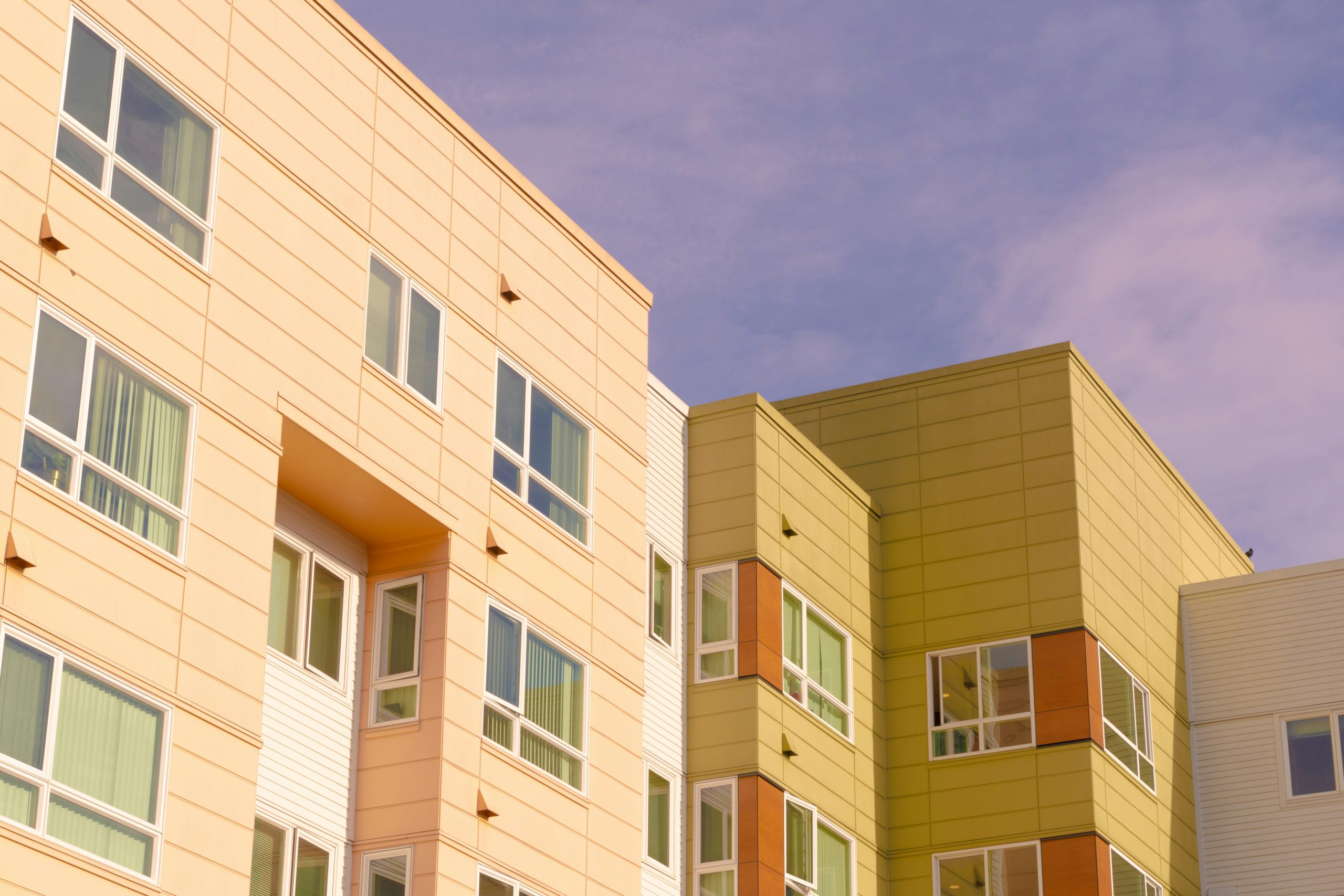
The Decline of the Traditional Family
The traditional family structure, consisting of a married couple with children, used to be the norm for many years. However, due to changing societal norms and attitudes, this is no longer the case. According to a Pew Research Center analysis, only 46% of U.S. children under 18 years old are living in a home with two married heterosexual parents in their first marriage. This is a significant decline from 73% in 1960.
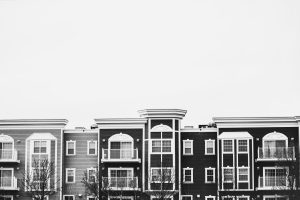
This shift in family structure has major implications for the housing market. With fewer traditional families, the demand for large suburban homes has decreased. Instead, there is a growing need for affordable homes that cater to singles, unmarried couples, and single-parent households. This has led to an increase in the demand for smaller, more affordable homes in urban areas or multifamily developments.
Rise of the Millennial Generation
The millennial generation, born between 1981 and 1996, is the largest living generation in the U.S. Unlike their predecessors, they are delaying marriage and childbirth, opting to focus on their careers and personal fulfillment. This has had a significant impact on the housing market, as millennials have different priorities and needs compared to previous generations.
For one, millennials are more likely to live in urban areas and prioritize convenience and walkability over size. This has led to a rise in demand for apartments and condos in city centers. They also value environmentally friendly and sustainable living, leading to an increase in demand for energy-efficient homes and green communities.
Impact on Housing Affordability
Additionally, millennials are facing financial challenges such as student loan debt and rising housing prices, making it harder for them to purchase a home. This has resulted in many millennials opting to rent rather than buy, further increasing the demand for rental properties.
Another factor driving the demand for rentals is the growing number of older adults who are choosing to downsize and rent rather than own. As this population continues to grow, so does the demand for rental properties.
The Aging Population
The aging population in the U.S. is another demographic shift that is impacting the housing market. According to the U.S. Census Bureau, by 2030, all baby boomers will be over the age of 65. This means there will be a higher demand for homes that cater to the needs of older adults, such as single-story homes and accessible features.
There is also a growing trend of multigenerational households, with older adults moving in with their adult children or vice versa. This has led to an increase in demand for homes with separate living spaces and in-law suites.
Changing Preferences and Technology
Besides the shift in demographic needs, changing preferences and technological advancements are also influencing housing demands. As more people work remotely and rely heavily on technology in their daily lives, there is a growing demand for homes with designated spaces for working and reliable high-speed internet connections.
The rise of smart home technology has also affected housing demands, with more people seeking homes equipped with smart features for convenience, security, and energy efficiency.
The Future of Housing Demand
The combination of these demographic shifts presents a complex and ever-evolving housing market. As society continues to change and technology advances, so will the needs and preferences of homebuyers. Developers and builders will need to adapt and cater to these demands in order to stay competitive and meet the needs of the market.
In conclusion, demographic shifts, such as the decline of the traditional family, the rise of the millennial generation, and the aging population, are reshaping future housing demands. These shifts have resulted in a change in preferences and a growing demand for homes that are more affordable, sustainable, and cater to diverse household structures. It is essential for the housing market to keep up with these changes in order to meet the needs of its ever-evolving population.