The Future of Fashion Retail: Personalized Virtual Shopping Experiences

Fashion retail has always been a dynamic industry, constantly evolving and adapting to the ever-changing technology and consumer demands. With the rise of e-commerce, fashion brands have had to shift their focus towards creating online shopping experiences that mirror the personalized and interactive experience that traditional brick-and-mortar stores offer. And now, with the emergence of virtual reality (VR) and augmented reality (AR) technologies, the future of fashion retail is set to transform once again.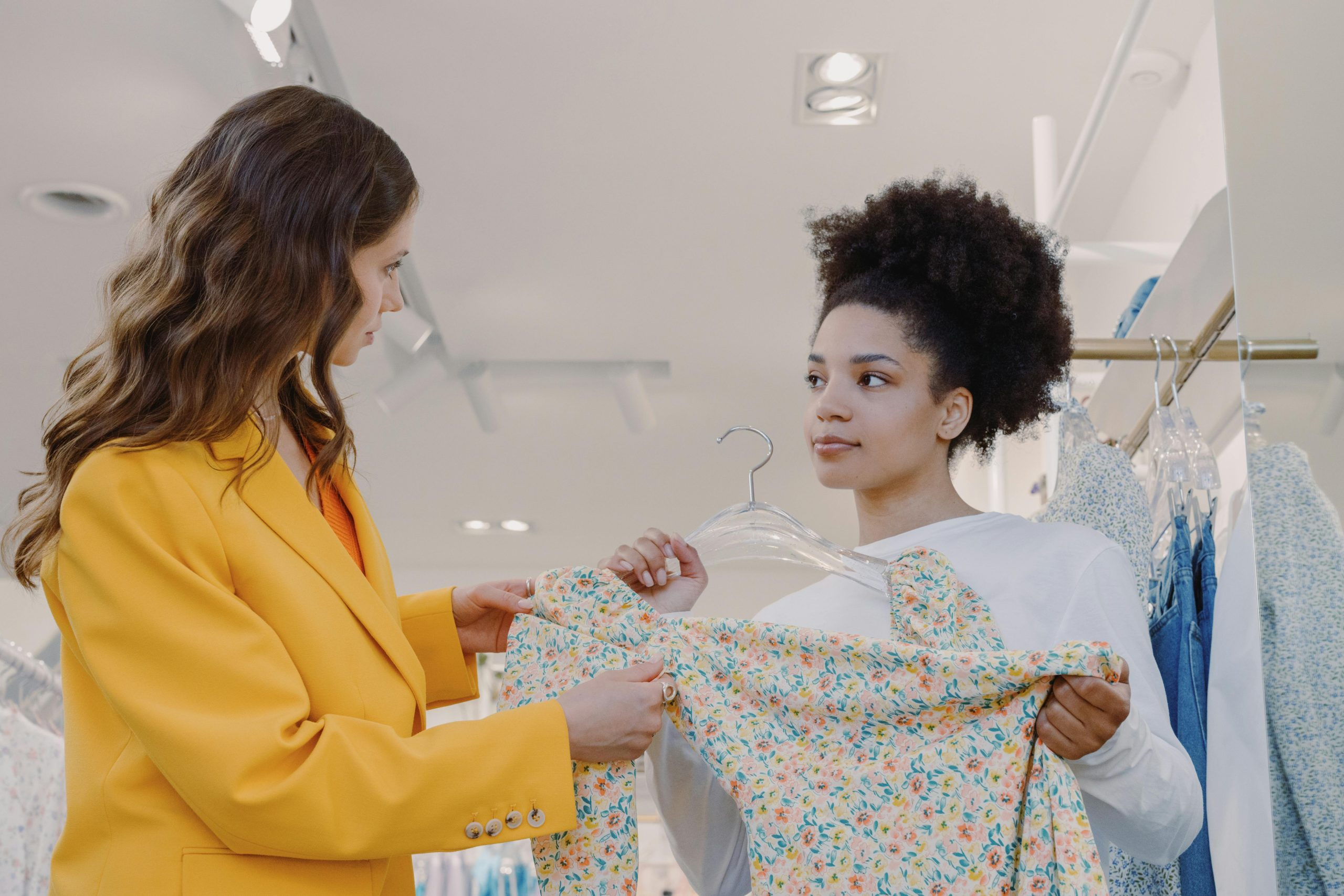
The Power of Personalization
In today’s digital age, consumers are no longer satisfied with one-size-fits-all shopping experiences. They crave personalization, and this has become especially evident in the world of fashion. People want to feel like their individual style and preferences are being catered to, and not just lumped in with the masses. This is where virtual shopping experiences come in.
Virtual Try-Ons and Fitting Rooms
One of the biggest challenges of online shopping has been the inability to try on clothes and see how they fit before making a purchase. This has led to a high rate of returns and dissatisfied customers. However, with virtual try-on and fitting room technology, shoppers can now see how an outfit will look on them in real-time, without ever having to leave their homes. This not only enhances the shopping experience but also reduces the likelihood of returns, improving the overall efficiency and profitability of fashion brands.
Personalized Recommendations
Another advantage of virtual shopping experiences is the ability to offer personalized recommendations to shoppers based on their style preferences and previous purchases. By analyzing data from shoppers’ browsing and buying habits, fashion brands can use AI and machine learning algorithms to make tailored product suggestions. This not only improves customer satisfaction but also increases the likelihood of making a sale.
The Rise of Virtual Fashion Shows
The fashion industry is known for its extravagant and glamorous runway shows, with the elite few being able to attend in person. But with virtual reality technology, fashion shows can now be experienced by anyone, anywhere. Brands like Tommy Hilfiger and Louis Vuitton have already started using VR to stream their fashion shows live, giving their audience an immersive and interactive experience that was previously reserved for a select few.
Creating a Brand Story
Virtual fashion shows also offer brands the opportunity to tell a story and create an emotional connection with their audience. By incorporating 360-degree cameras, behind-the-scenes footage, and interactive elements, fashion brands can give their viewers a glimpse into their world and their creative process, allowing for a deeper brand-customer relationship.
The Impact on Sustainability
The fashion industry has been called out for its detrimental impact on the environment, with fast fashion being a major culprit. However, with the rise of virtual shopping experiences, there is a potential for a significant reduction in waste and carbon emissions. By eliminating the need for physical stores and reducing the number of items that need to be produced and shipped, virtual shopping can help fashion brands become more sustainable and environmentally friendly.
Customization and Made-to-Order
In addition to reducing waste, virtual fashion retail also allows for customization and made-to-order options, where customers can design their own pieces or have them made specifically for them. This not only caters to the demand for personalization but also eliminates the issue of excess inventory and unsold items.
The Future is Virtual
The future of fashion retail is undoubtedly heading towards personalized virtual shopping experiences. As technology continues to advance, we can expect to see even more realistic and immersive virtual shopping options, blurring the lines between the physical and digital worlds. This shift will not only benefit fashion brands but also provide consumers with a more convenient, personalized, and sustainable way to shop.
In conclusion, the power of personalization, the rise of virtual fashion shows, and the potential for sustainability make personalized virtual shopping experiences the future of fashion retail. With the continuous development of technology and the increasing demand for personalization, it is only a matter of time before virtual shopping becomes the norm in the world of fashion. Are you ready for the virtual fashion revolution?