
Decoding Effective Strategies for Overcoming Performance Anxiety
Performance anxiety is a common experience that can manifest in a variety of situations, whether it’s giving a presentation, playing a sport, or performing on stage. It is characterized by feelings of fear, worry, and self-doubt that can debilitate an individual’s ability to perform at their best. For those who struggle with performance anxiety, the pressure to succeed can be overwhelming, leading to a cycle of negative thoughts and physical symptoms like rapid heartbeat and sweating. However, effective strategies can be used to overcome performance anxiety and achieve success. In this article, we will explore some of the most effective strategies for decoding and managing performance anxiety.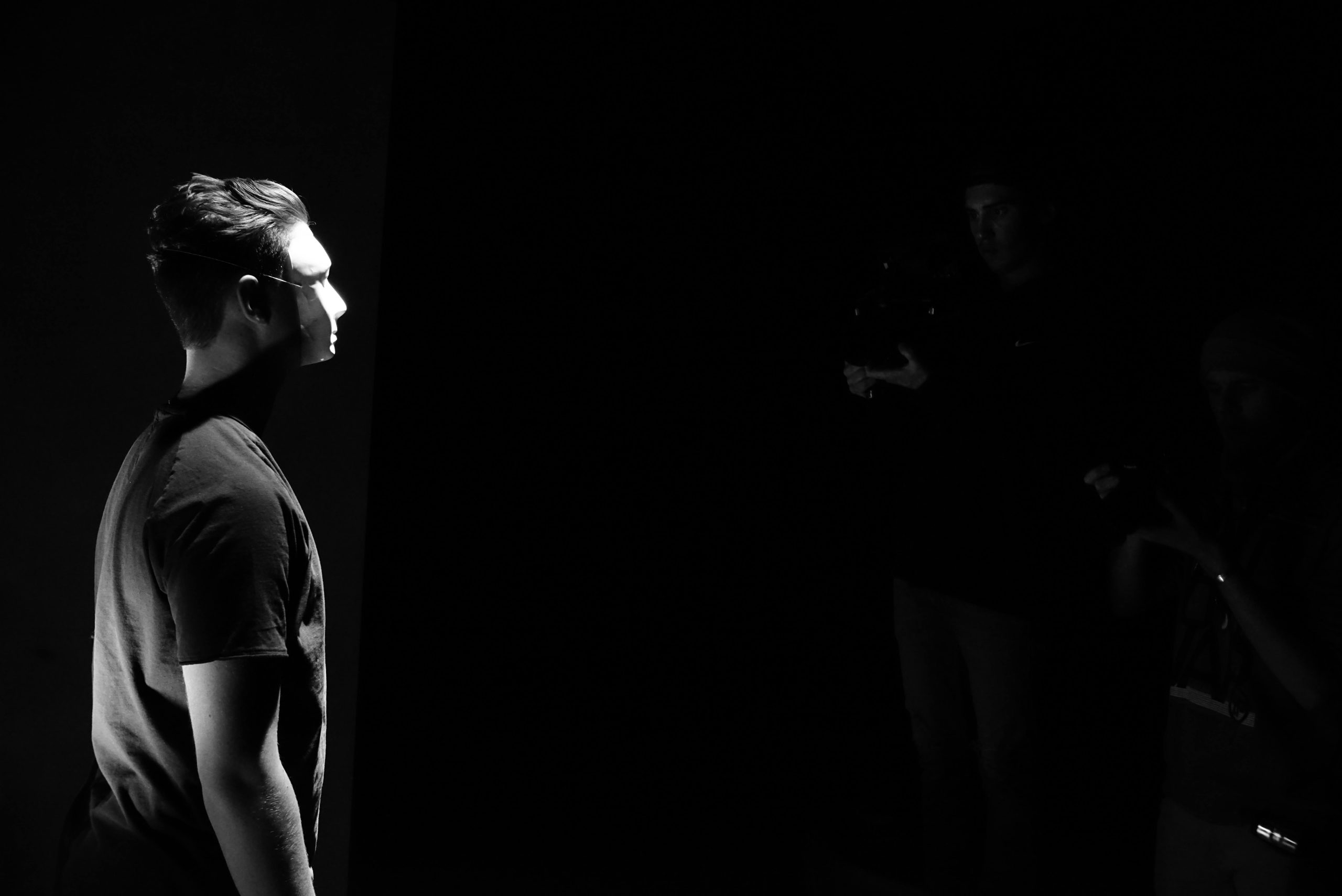
Understanding Performance Anxiety
Before we dive into strategies, it’s important to first understand what performance anxiety is and how it affects us. Performance anxiety, also known as stage fright or performance nerves, is a type of social anxiety that specifically pertains to performance situations. It is a normal response to the perceived threat of being judged or evaluated by others. Our fight or flight response is triggered, causing a surge of adrenaline that can manifest in physical symptoms like stomach butterflies, shaking, and dry mouth. However, when these physical symptoms become overwhelming, they can interfere with our ability to perform well.
Identifying Triggers
One of the first steps in decoding performance anxiety is identifying the triggers that cause it. These triggers can be different for each individual and can include things like fear of failure, fear of rejection, fear of judgement, or fear of making mistakes. Sometimes, past negative experiences or self-doubt can also contribute to performance anxiety. Reflecting on past performances and identifying patterns can help you determine what triggers your anxiety.
Challenging Negative Thoughts
Negative thoughts are a common characteristic of performance anxiety. We might think things like “I’m going to mess up” or “Everyone is judging me” which can increase our anxiety and self-doubt. However, challenging these thoughts can help us gain control over our anxiety. First, recognizing these thoughts as just thoughts and not facts can help to decrease their power. Then, replace these negative thoughts with more realistic and positive ones. For example, replace “I’m going to mess up” with “I have prepared for this and I can do it.”
Reframing Performance as an Opportunity for Growth
Performance anxiety can make us view performances as a test of our worth and abilities. Instead, try reframing a performance as an opportunity for growth and learning. This can help to alleviate some of the pressure and shift the focus from external judgment to internal improvement. Acknowledge that mistakes and imperfections are a natural part of the learning process and can lead to growth and improvement.
Practical Strategies for Managing Performance Anxiety
Breathing Techniques
Deep breathing techniques can help to calm the nervous system and reduce physical symptoms of anxiety. One simple technique is to inhale for a count of four, hold the breath for a count of four, and exhale for a count of eight. Repeat this several times until you start to feel more relaxed.
Visualization
Visualization involves mentally imagining yourself performing successfully and feeling confident. This can help to reduce anxiety by creating a positive rehearsal in your mind. Take some time before a performance to close your eyes and visualize yourself succeeding and feeling calm and confident.
Progressive Muscle Relaxation
This technique involves tensing and then relaxing different muscle groups in the body, helping to release muscle tension and promote relaxation. Start by tensing your toes for five seconds, then relax for five seconds. Move up to your feet, then legs, and so on, until you have tensed and relaxed your entire body.
Seeking Support
Having a strong support system can be incredibly helpful in managing performance anxiety. Share your struggles with trusted friends or family members who can offer support and encouragement. Consider seeking professional help from a therapist or counselor who can guide you through effective techniques for managing anxiety.
Conclusion
Performance anxiety can be debilitating, but it doesn’t have to stop you from achieving success. By understanding its triggers and implementing effective strategies, you can learn to manage and overcome performance anxiety. Remember to challenge negative thoughts, reframe performance as an opportunity for growth, and utilize practical techniques like breathing and visualization. With time and practice, you can learn to decode and manage your performance anxiety and reach your full potential.