
Understanding the Principles of Food Presentation Design

When it comes to food, presentation is just as important as taste. In fact, studies have shown that the way a dish is presented can significantly impact a person’s perception of its taste and quality. This is why food presentation design has become a crucial aspect of the culinary world. It is more than just arranging food on a plate; it is an art that requires a deep understanding of principles and techniques. In this article, we will explore the key principles of food presentation design and how it can elevate your dining experience.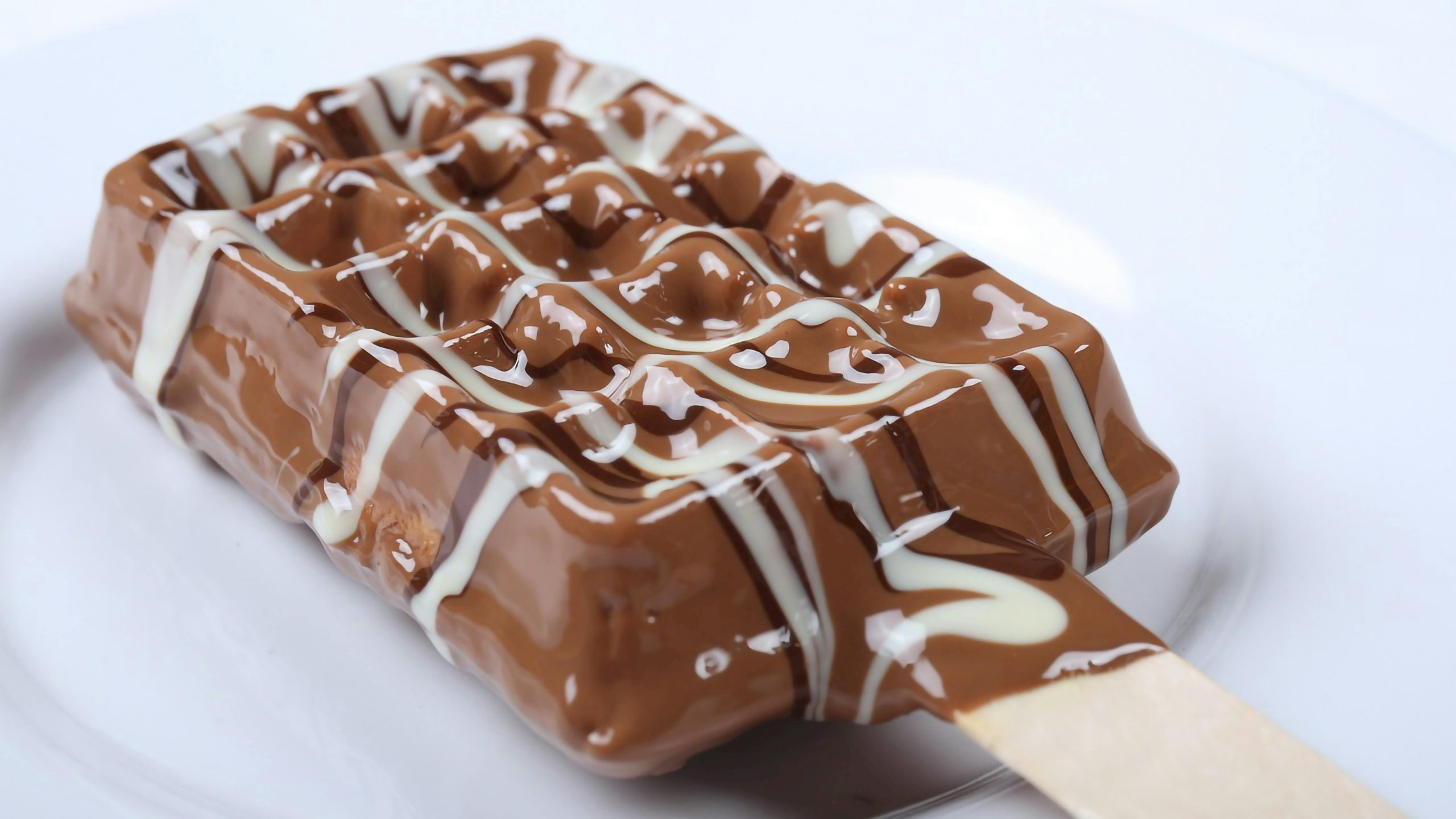
The Power of Visual Appeal
Have you ever noticed how certain foods catch your eye and make you want to try them even without knowing how they taste? This is the power of visual appeal. The way food is presented can evoke emotions and create a desire to taste it. This is why a beautifully presented dish is more likely to be enjoyed and remembered by diners.
There are several factors that contribute to the visual appeal of food, such as color, texture, and symmetry. Colorful and vibrantly plated dishes are visually appealing and can stimulate the appetite. Incorporating different textures, such as crispy, creamy, and crunchy, adds depth and interest to a dish. And when it comes to symmetry, it is all about balance and proportion, creating a visually pleasing and harmonious presentation.
Balancing Flavors and Textures
Food presentation design is not just about aesthetics, but also about enhancing the flavors and textures of a dish. Every element on a plate should have a purpose and work together to create a balanced and cohesive taste experience.
One of the key techniques in achieving a harmonious flavor balance is the concept of the flavor profile. A flavor profile is a combination of tastes, such as sweet, sour, salty, and bitter, that work together to create a well-rounded flavor. When plating a dish, it is important to consider the flavors of each component and how they will complement or contrast each other. For example, a dish with a sweet sauce may need a hint of acidity to balance the flavors.
In addition to flavors, textures also play a vital role in food presentation design. The contrast of textures, such as crunchy and creamy, can elevate a dish and create a more engaging dining experience. It is also essential to ensure that the textures are balanced and do not compete with each other.
The Importance of Proportion and Space
In food presentation design, every component on a plate should have its own space and purpose. Proportion and space are key elements in creating a visually appealing dish. Too much food on a plate can be overwhelming and may even affect the taste, while too little can leave diners feeling unsatisfied.
When plating a dish, it is important to consider the size of the plate and the amount of food to be served. The rule of thumb is to leave some negative space on the plate to allow for balance and visual appeal. Negative space also allows the main ingredient to stand out and be the star of the dish.
Furthermore, understanding the flow of the dish is crucial. The way a dish is presented should lead the eye from one component to another and create a seamless transition. This can be achieved by placing the main ingredient in the center or at a focal point and arranging other elements around it.
Incorporating Creativity and Seasonality
While learning and implementing the principles of food presentation design is key, creativity is what takes it to the next level. Incorporating creative and innovative elements in plating can elevate a dish and make it stand out.
Moreover, using seasonal ingredients adds an element of freshness and uniqueness to a dish. Not only does it enhance the taste and nutrition, but it also adds to the visual appeal. Incorporating seasonal fruits and vegetables in a dish not only adds color and texture but also showcases the freshness and quality of the ingredients.
The Balance Between Art and Science
Food presentation design is a perfect blend of art and science. While the principles discussed above focus on the artistic aspect, there is also a scientific approach involved. This includes understanding the chemical and physical properties of food, such as how certain ingredients react with each other, and knowledge of plating tools and techniques.
Understanding the principles of food presentation design and how to apply them can take your culinary skills to a whole new level. It requires practice, creativity, and attention to detail. By incorporating these principles in your plating, you can take your dishes from ordinary to extraordinary. So the next time you are plating a dish, remember the power of visual appeal, balancing flavors and textures, and the importance of proportion and space. Happy plating!