Lifelong Engagement: The Importance of Amateur Music Making
If you ask anyone why they love music, chances are you’ll get a response that mentions the emotional connection and joy it brings. Music has a way of connecting people, evoking memories, and providing an outlet for self-expression. From professional musicians to shower singers, music has the power to enrich our lives in countless ways. However, one aspect of music that often goes underappreciated is the impact of amateur music making. In this article, we’ll delve into the world of amateur music making and explore why it’s essential for lifelong engagement with music.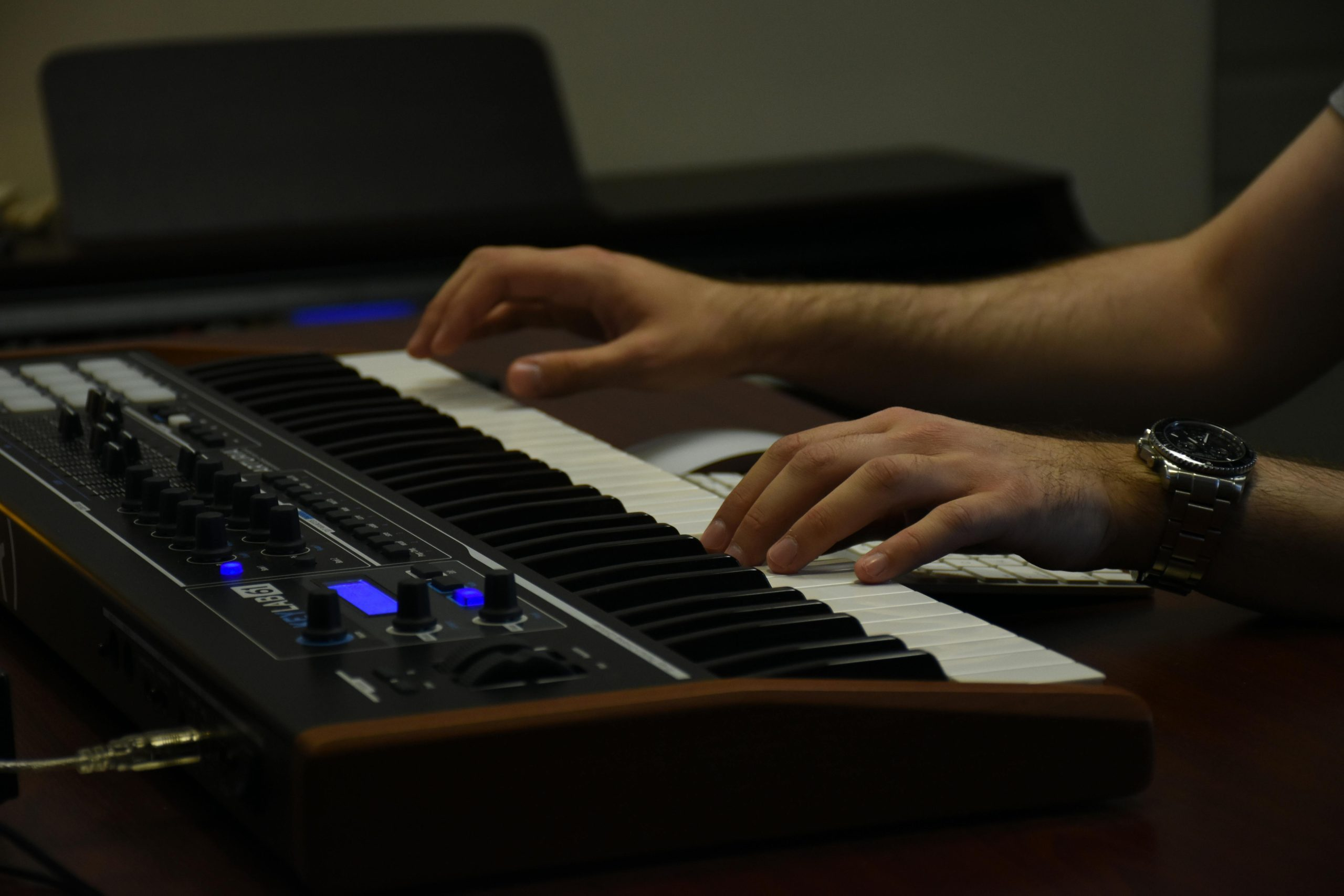
The Definition of Amateur Music Making
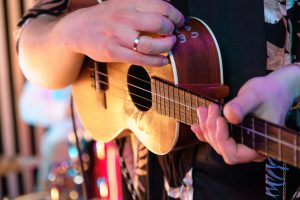
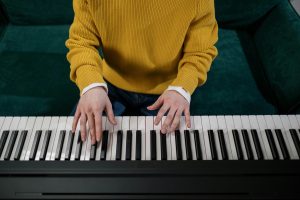
Before we dive into the importance of amateur music making, let’s define what it actually means. The term “amateur” often has a negative connotation of someone being unskilled or inexperienced. However, when it comes to music making, it simply means someone who engages in the activity for personal enjoyment rather than as a profession. This can include playing an instrument, singing, composing, or even dancing to music.
The Lifelong Benefits of Amateur Music Making
Emotional and Mental Well-Being
Music has been proven to have a positive impact on our emotional and mental well-being. When we engage in music making, our brains release dopamine, a neurotransmitter associated with pleasure and reward. This sensation not only makes us feel good in the moment but can also have long-term effects on our mood and overall well-being.
In addition, amateur music making can provide a sense of purpose and accomplishment, boosting self-esteem and confidence. It can also serve as a form of therapy, allowing us to channel our emotions and cope with stress or difficult experiences.
Brain Development and Cognitive Abilities
Learning and engaging in music has been linked to improved brain function and development. Studies have shown that children who participate in music activities have better memory, attention, and motor skills. But it’s not just for kids – adults who continue to engage in music making also benefit from improved cognitive abilities and a decreased risk of age-related cognitive decline.
The act of playing an instrument or learning a new song requires concentration, coordination, and memory recall. This regular exercising of the brain can help keep it sharp and functioning at its best, which is crucial for maintaining cognitive health as we age.
Social Connection and Community
Amateur music making also has a significant impact on our social lives. Group music making, such as choirs, bands, or jam sessions, can foster a sense of community and belonging. It provides an opportunity to connect with others who share a love for music and provides a sense of support, camaraderie, and friendship.
For many people, music can also serve as a language that transcends cultural and linguistic barriers. It allows individuals from different backgrounds to come together and create something beautiful, fostering understanding and appreciation for one another.
Breaking Down Barriers to Music Making
Despite the numerous benefits of amateur music making, there are still barriers that prevent many people from engaging in it. One of the biggest hurdles is the belief that only those with natural talent or formal training should participate in music making. This mindset can be intimidating and discouraging for those who may be interested in trying but feel like they don’t have the necessary skills.
However, the truth is that anyone can engage in music making, regardless of age or skill level. There are countless resources available, from online tutorials to local community groups, that provide opportunities for people to learn and create music together. It’s important to break through this barrier and encourage everyone to explore their love for music without feeling judged or inadequate.
In Conclusion
Amateur music making is about more than just playing or creating music; it’s about lifelong engagement and the positive impact it has on our emotional, mental, and social well-being. It provides an outlet for expression, fosters brain development, and creates a sense of community. So, whether you’re a seasoned musician or a novice with no experience, don’t be afraid to pick up an instrument, sing your heart out, or dance to your favorite tunes – the benefits of amateur music making are endless.