Project-Based Learning: Recording and Producing Your Own Album
Are you interested in music production and recording? Have you ever dreamed of creating your own album? With project-based learning, you can turn that dream into a reality. In this article, we will explore project-based learning and how it can be used to record and produce your own album. By the end, you will have a better understanding of the process and the skills you need to create something truly unique and impactful. So, let’s get ready to rock and roll!
The Power of Project-Based Learning
Project-based learning is a teaching method that not only engages students in hands-on activities, but also encourages critical thinking, collaboration, and problem-solving skills. It involves creating a project or product that addresses a real-life problem or simulates a real-world scenario. This type of learning allows students to apply their knowledge and skills in a practical and meaningful way, making the learning experience more enjoyable and memorable.
Recording and producing an album is the perfect example of project-based learning. It combines creativity, technical skills, and teamwork to achieve a common goal. It also provides students with a variety of learning opportunities, from songwriting to mixing and mastering, as well as the chance to explore different roles and responsibilities within a team. Plus, who wouldn’t want to create their own music and see it come to life?
The Steps to Success
Before you start recording and producing your own album, it’s important to have a clear plan of action. Here are the key steps to follow for a successful project-based learning experience:
Step 1: Identifying the Goals and Objectives
The first step is to identify the goals and objectives of the project. What are you hoping to achieve through this project? Is it to create a cohesive collection of songs or to gain hands-on experience in music production? Setting clear and specific goals will help guide the project and keep everyone focused.
Step 2: Forming a Team
Next, it’s time to form a team. Find like-minded individuals who are passionate about music and have different skill sets that can contribute to the project. This could include songwriting, playing instruments, recording, or mixing. Each person’s unique talents and perspectives will add value to the project and help it come to life.
It’s important to establish a positive and collaborative team dynamic from the beginning. Encourage open communication, active listening, and respect for everyone’s ideas and contributions. Remember, the success of the project depends on the team’s ability to work together effectively.
Step 3: Planning the Project
With the team in place, it’s time to start planning the project. This includes determining the timeline, setting deadlines, and creating a budget. You should also consider any challenges or potential roadblocks that may arise and how they can be addressed. This will help ensure a smooth project execution and minimize any unexpected setbacks.
Step 4: Songwriting and Pre-Production
The heart of any album is the songs. This is where the creative process begins. As a team, you can collaborate on song ideas, lyrics, and melodies. Encourage each member to contribute their own unique style and ideas to create a diverse and dynamic album.
Once you have a solid collection of songs, it’s time to start the pre-production phase. This includes arranging and rehearsing the songs, as well as determining the instrumentation and production elements for each track. This is also a good time to start recording demos to get a feel for how the songs will sound.
Step 5: Recording and Production
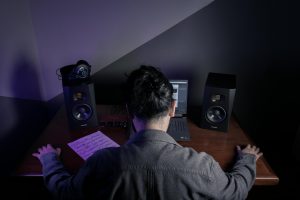
Now comes the fun part – recording and production! With a clear plan in place and demos as a guide, you can start recording the final versions of the songs. This is also the time to experiment with different recording techniques, instruments, and effects to create a unique and polished sound.
After recording is complete, the songs go into the production phase. This involves editing, mixing, and mastering the tracks to achieve a cohesive and professional sound. This stage requires technical skills and attention to detail, but it’s worth the effort to create a high-quality and professional album.
Step 6: Sharing the Final Product
Once the album is complete, it’s time to share it with others. This can include performing live shows, releasing it on streaming platforms, or even creating physical copies for distribution. The end result is a tangible and meaningful product that the team can be proud of and share with the world.
The Benefits of Recording and Producing Your Own Album
Aside from the technical and creative skills gained through project-based learning, there are other valuable benefits to recording and producing your own album. These include:
Teamwork and Collaboration
Creating an album is a group effort that requires strong teamwork and collaboration. Through this project, students will learn how to work together, communicate effectively, and respect each other’s contributions. These are invaluable skills that can be transferred to any future team or group project.
Confidence and Self-Expression
Recording and producing an album gives students a platform to express themselves and share their unique talents and perspectives with the world. This can boost their confidence and self-esteem, and encourage them to pursue their passions further.
Creative Problem-Solving
Throughout the recording and production process, challenges will inevitably arise. Whether it’s technical issues or creative differences, students will need to use their problem-solving skills to overcome these obstacles. This type of critical thinking and adaptability is essential for success in any field.
Real-Life Application
Project-based learning allows students to see the real-life application of their skills and knowledge. In the case of recording and producing an album, students can see how the technical aspects of music production and teamwork come together to create a tangible and marketable product.
Conclusion
Project-based learning offers a unique and engaging way to learn and develop skills. The process of recording and producing an album not only allows students to express their creativity, but also teaches them valuable lessons in teamwork, problem-solving, and self-expression. So, if you have a passion for music and want to take your skills to the next level, why not try project-based learning and record your own album? It may just be the start of an exciting and fulfilling journey in the music industry.