Decoding Fashion Editorials: Visual Storytelling and Creative Direction
Fashion editorials are more than just a collection of photographs featuring the latest designer clothing. They are a form of visual storytelling, with each image carefully crafted to capture the attention of the viewer and convey a specific message. The success of a fashion editorial lies not only in its visual aesthetics, but also in the creative direction that guides the overall narrative. In this article, we will delve deeper into the world of fashion editorials, exploring the art of visual storytelling and the role of creative direction in bringing these images to life.
The Power of Visual Storytelling
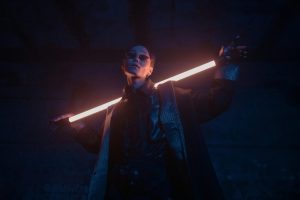
The saying “a picture is worth a thousand words” couldn’t be more true when it comes to fashion editorials. These photo spreads use carefully curated images to tell a compelling story. It is not just about showcasing the latest trends and designs, but also about creating a mood, evoking emotions, and inspiring the audience. Through the use of lighting, poses, and composition, fashion editorials take us on a journey, transporting us into a fantasy world where fashion is the main character.
An effective fashion editorial is one that lingers in the minds of its audience, leaving a lasting impression and sparking conversations. It is about more than just selling clothes; it is about selling a lifestyle, a dream. This is where the art of visual storytelling comes into play, as it allows fashion editorials to transcend mere product placement and become a form of artistic expression.
The Role of Creative Direction
Behind every successful fashion editorial is a team of talented professionals working tirelessly to bring the photographer’s vision to life. At the helm of this team is the creative director, who is responsible for the overall concept and aesthetic of the shoot. It is the creative director’s job to ensure that all elements, from the location to the styling, work together to tell a cohesive story.
To create a successful fashion editorial, the creative director must have a keen eye for detail, a strong understanding of fashion and trends, and excellent communication skills. They must work closely with the photographer, models, hairstylists, makeup artists, and stylists to bring their vision to fruition. Often, the creative director will come up with a mood board to guide the team and ensure that everyone is on the same page.
The Art of Direction and Styling
While the photographer captures stunning images, it is the art of direction and styling that truly brings them to life. The direction of a fashion editorial is not just about telling the models how to pose; it is about creating a sense of movement and emotion within the still frame. The positioning of the models, their expressions, and their body language all contribute to the narrative being told.
Styling is also a crucial aspect of fashion editorials. The clothes chosen for the shoot not only need to be on-trend but also need to fit into the overall concept and visual aesthetic. A skilled stylist will have a keen eye for fashion and a deep understanding of the creative direction, ensuring that each outfit helps to tell the story being portrayed.
The Impact of Creative Direction on Fashion Editorials
Creative direction plays a crucial role in the success of fashion editorials. It is what sets them apart from regular fashion spreads and makes them truly captivating. When done well, creative direction can turn a simple photoshoot into a work of art that resonates with its audience. It allows fashion editorials to tell a story that goes beyond the clothes, making a lasting impact on the viewer.
One of the most prominent examples of the power of creative direction in fashion editorials is the work of iconic photographer Tim Walker. His surreal, dreamlike images have graced the pages of top fashion magazines, enchanting audiences and sparking conversations. Walker’s collaborations with renowned creative director and stylist, Grace Coddington, have created some of the most memorable and visually stunning fashion editorials of our time.
In Conclusion
Fashion editorials are much more than just pretty pictures. They are the result of meticulous planning, creative ideas, and the combined efforts of a team of talented professionals. At the heart of it all is the power of visual storytelling and the role of creative direction in bringing these stories to life. It is this combination that elevates fashion editorials from a simple product showcase to a form of art that captivates and inspires.