
Understanding the Principles of Portion Control Cooking

Are you struggling with maintaining a healthy weight or constantly feeling hungry after a meal? It’s time to understand the principles of portion control cooking. Portion control is an essential aspect of a healthy diet that many people tend to ignore. In a world where overeating and oversized servings have become the norm, it’s crucial to learn how to keep your portions in check. In this article, we will explore the importance of portion control, the basic principles of portion control cooking, and tips to implement it in your daily life. Let’s get started!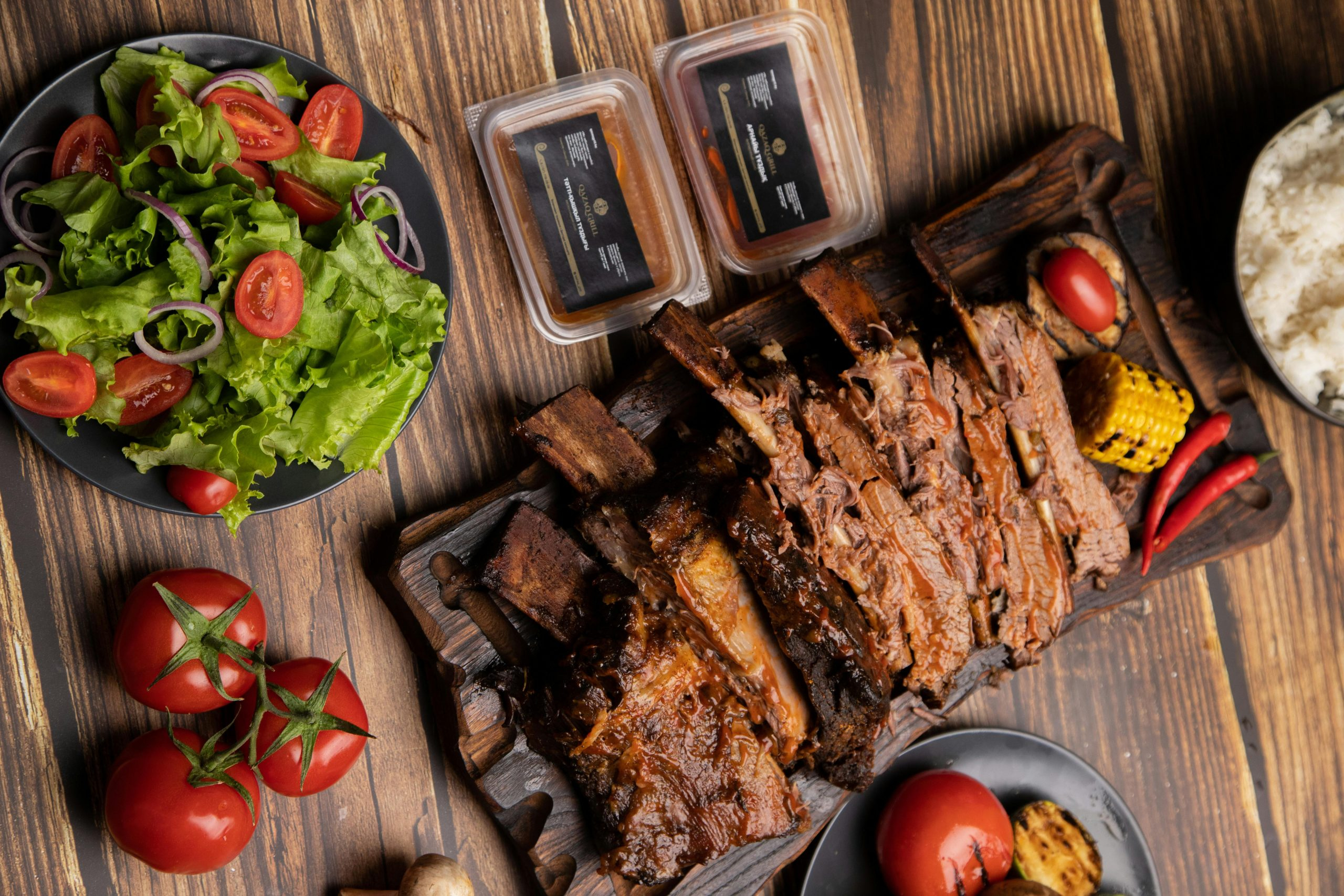
The Importance of Portion Control
Portion control refers to the practice of managing the amount of food you consume in a single sitting. It helps you understand the appropriate serving size for different food groups, ensuring that you consume the right amount of nutrients. In addition, portion control is an effective way to prevent overeating and maintain a healthy weight.
According to research, portion control can help reduce calorie intake and promote weight loss. This is because our brain takes around 20 minutes to register that we are full. So, if we eat too fast or have a larger portion, we tend to consume more calories than our body needs. By moderating our portion sizes, we can avoid overeating and prevent weight gain.
The Principles of Portion Control Cooking
1. Measure your food
To control your portions effectively, it’s essential to measure your food accurately. Use measuring cups, spoons, or a food scale to portion your food according to the recommended serving size for each food group. For example, one serving of pasta is half a cup, and a serving of protein is the size of a deck of cards.
2. Use smaller plates
Our brain tends to associate the size of our plate with the amount of food we consume. Using smaller plates can trick our brain into thinking that we are eating more, even with smaller portions. Try substituting your regular dinner plates with smaller plates to control your portions naturally.
3. Fill half of your plate with non-starchy vegetables
Non-starchy vegetables, such as broccoli, spinach, and carrots, are low in calories and high in fiber, making them an excellent addition to your meals. Aim to fill half of your plate with non-starchy vegetables to add volume to your meal without adding extra calories. This will also ensure that you are getting your recommended daily intake of vegetables.
4. Limit processed and high-calorie foods
Processed and high-calorie foods, such as chips, cookies, and sugary beverages, are often nutrient-poor and can lead to overeating. These foods also tend to have larger portion sizes, making it easier to consume more calories than needed. Limiting these foods in your diet can help you control your portion sizes and improve your overall health.
Tips to Implement Portion Control in Your Daily Life
1. Plan your meals
Planning your meals ahead of time can help you control your portions. By prepping your meals, you can measure your food portions accurately and ensure that you are eating a balanced diet.
2. Stop eating when you are full
Listen to your body’s cues and stop eating when you feel satisfied, not when your plate is empty. It’s okay to leave food on your plate if you feel full. You can save the leftovers for later or give them to someone else instead of overeating.
3. Avoid distractions while eating
Eating in front of a TV or computer can lead to mindless eating, causing you to consume more calories than you need. Instead, pay attention to your food while eating and savor each bite.
4. Practice mindful eating
Mindful eating involves being present and aware of your food and the emotions that come with it. It can help you build healthier eating habits and control your portion sizes. Take your time to chew your food properly and enjoy its flavors and textures.
In conclusion, portion control is an essential aspect of a healthy diet. By understanding the principles of portion control cooking and implementing these tips in your daily life, you can make lasting changes to your eating habits and promote overall well-being. Remember, it’s not about restricting yourself, but rather about being mindful of what and how much you eat. Start small, and with time, you will see a significant difference in your health and weight management. Bon appétit!