Choosing the Right Fabric: Understanding Material Properties and Feel
When it comes to choosing the right fabric for a project, understanding the material properties and feel is crucial. Not only will the right fabric determine the durability and appearance of the end product, but it can also impact the overall comfort and functionality. With so many options available, it can be overwhelming to know which fabric is the best fit for your project. In this article, we’ll dive into the key considerations to keep in mind when choosing the right fabric, and how to understand the different material properties and feel.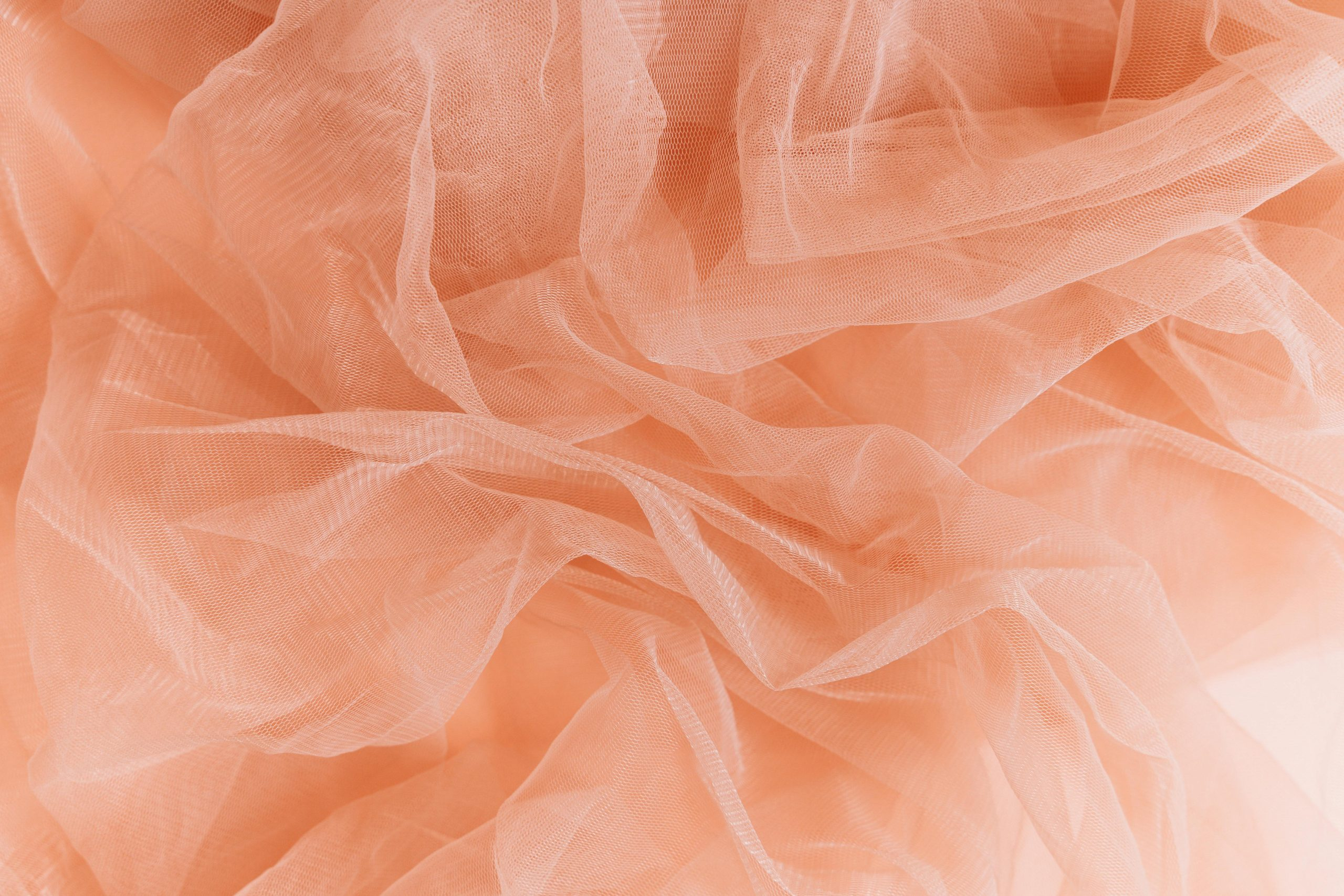
Key Considerations When Choosing Fabric
Intended Use
The first and most important factor to consider when choosing fabric is the intended use. The fabric used for a formal evening gown will be vastly different from the one used for a sofa. Consider what you will be using the fabric for and what type of wear and tear it will need to withstand. Is it for clothing, upholstery, or home decor? Will it be exposed to sunlight or harsh weather conditions? These are all important questions to ask when determining the right fabric for your project.
Material Composition
The material composition of a fabric is another key consideration. Fabrics can be made from natural, synthetic, or blended fibers, each with their own unique properties. Natural fibers, such as cotton, linen, and silk, are lightweight, comfortable, and breathable. On the other hand, synthetic fibers, like polyester and nylon, are durable and wrinkle-resistant. Blended fabrics, which are a combination of both natural and synthetic fibers, can offer the best of both worlds.
Color and Pattern
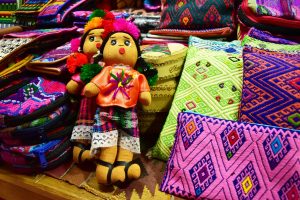
The color and pattern of a fabric can greatly impact its appearance and overall feel. Bold, bright colors and intricate patterns can make a statement, while neutral colors and simple designs can create a more understated look. Consider the color scheme of your project and any patterns or prints that may complement it. Additionally, keep in mind that patterns and prints may require more fabric to ensure proper pattern alignment and can be more prone to fading or wear over time.
Care and Maintenance
Before selecting a fabric, it’s essential to understand the care and maintenance required. Some fabrics may be machine washable, while others may need to be dry cleaned. Certain fabrics may also require specific care, such as avoiding direct sunlight or using a specific type of detergent. Taking care of your fabric properly can help prolong its lifespan and maintain its appearance.
Understanding Material Properties
Durability
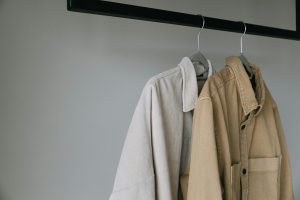
One of the most crucial material properties to consider when choosing fabric is durability. This refers to the ability of the fabric to withstand wear and tear over time. Fabrics with higher durability, such as denim or canvas, are ideal for projects that will be exposed to frequent use or heavy weight. On the other hand, lightweight and delicate fabrics, like silk or chiffon, may be better suited for projects that require less durability.
Breathability
The breathability of a fabric refers to how well air can circulate through it. Fabrics that are more breathable, such as cotton or linen, tend to be more comfortable in hot and humid climates. On the other hand, less breathable fabrics, like polyester, can trap heat and cause discomfort. Consider the climate and intended use of your project when determining the level of breathability you need in a fabric.
Stretch and Structure
The stretch and structure of a fabric are important factors in determining its overall feel and functionality. Some fabrics, like spandex, have a high degree of stretch, making them suitable for projects that require flexibility and movement. Others, like wool or linen, have more structure and may not stretch as easily. Consider how you want your fabric to feel and perform when deciding on the level of stretch and structure.
Understanding Fabric Feel
Softness
The softness of a fabric can greatly impact the comfort and feel of a project. Some fabrics, like silk, are known for their soft and luxurious feel, while others, like denim, may have a rougher texture. Consider the intended use of your project and how important softness is to the end product.
Drape
The drape of a fabric refers to how it hangs or falls when draped on a surface. This is a crucial factor to consider when choosing fabric for clothing, as it can determine how well it will lay on the body. Fabrics with a softer drape, such as jersey, are ideal for flowy garments, while stiffer drapes, like taffeta, can create a more structured look.
Texture
The texture of a fabric can vary greatly and can greatly impact the overall look and feel of a project. Some fabrics, like velvet, have a smooth and plush texture, while others, like tweed, have a more coarse texture. Consider the texture of a fabric to determine how it will add dimension and interest to your project.
In conclusion, understanding the material properties and feel of fabric is crucial when choosing the right fabric for a project. By considering the key factors, such as intended use, material composition, color and pattern, care and maintenance, as well as understanding the different material properties and feel, you can select the perfect fabric that meets both your aesthetic and functional needs.