
The Evolution of Wedding Dress Silhouettes Across Decades
Wedding dresses have been a quintessential part of a bride’s special day for centuries. They are a symbol of love, union, and commitment, and are often passed down from generation to generation. However, what many people may not know is that wedding dress silhouettes have undergone a significant evolution over the decades, reflecting changing societal norms, fashion trends, and cultural influences. In this article, we’ll take a journey through time to explore the evolution of wedding dress silhouettes across decades.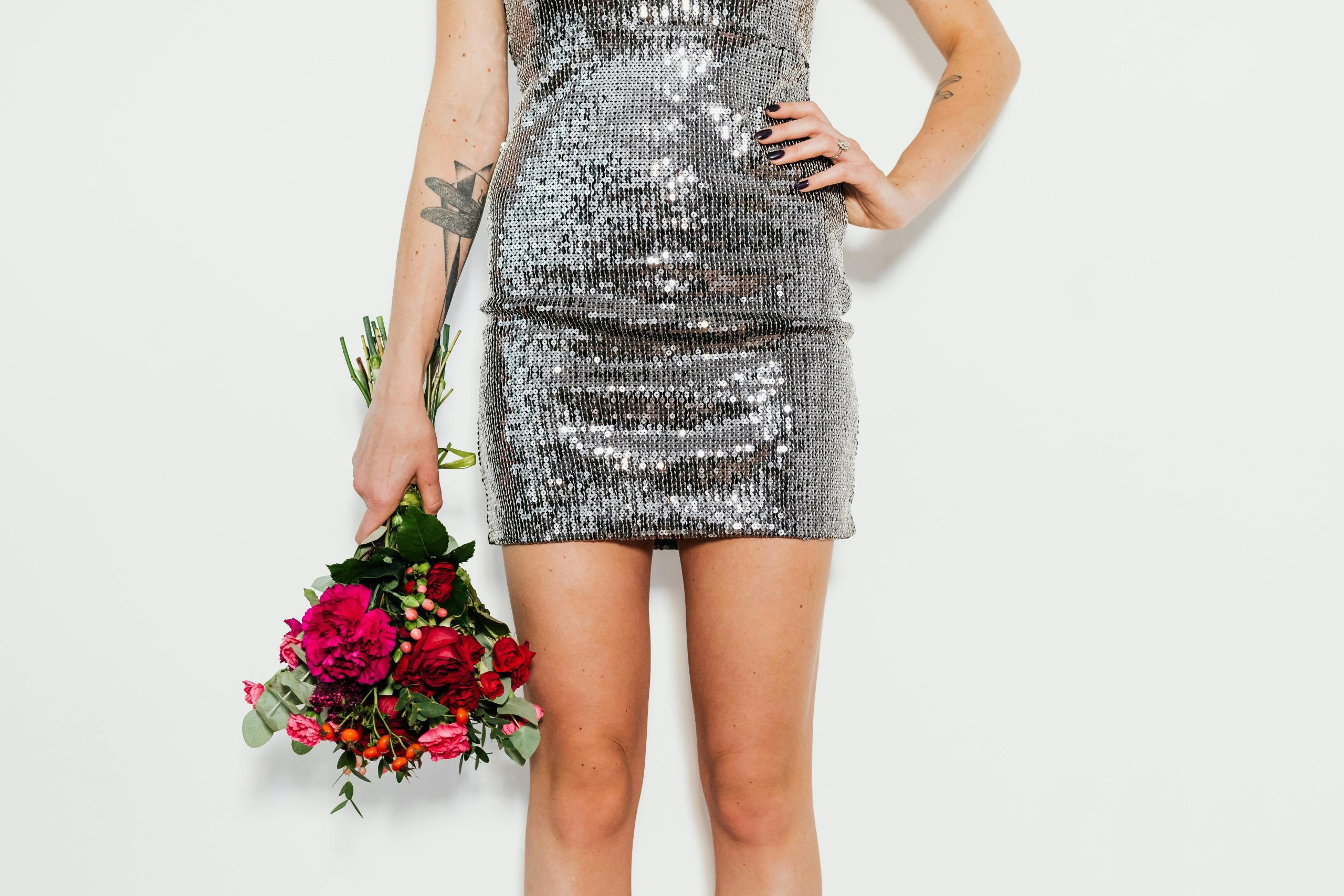
The Victorian Era (1837-1901)
The Victorian Era was characterized by extravagance and opulence, and this was reflected in wedding dress silhouettes. During this time, the ideal wedding dress was a full-skirted, structured gown with a tightly corseted bodice and a full, two-tiered skirt. This silhouette was meant to accentuate the waist and create an hourglass figure, which was deemed as the epitome of feminine beauty.
The fabrics used for these dresses were often luxurious, such as satin, silk, or velvet, and were adorned with intricate lace, tulle, and embroidery. However, it wasn’t just about the silhouette and materials – color also played a significant role in Victorian wedding dresses. White was the most popular choice, symbolizing purity and innocence, but pastel shades such as pink, blue, and lavender were also common.
The Roaring Twenties (1920-1929)
The 1920s were a decade of rebellion and liberation, and this was reflected in the fashion of the time, including wedding dresses. The silhouette of the 1920s wedding dress was a complete departure from the Victorian era, with a dropped waist and a straight, loose-fitting skirt that fell to the knees. This was a radical change from the traditional full-skirted look, and it symbolized the shift towards a more relaxed and free-spirited society.
In terms of fabric, lightweight materials such as chiffon, crepe, and georgette were popular, and the dresses were often decorated with intricate beading and embroidery. The color of choice was white, but pastel shades and even bolder hues such as red and black were also seen.
The Golden Age of Hollywood (1930-1940)
The 1930s and 1940s were known as the Golden Age of Hollywood, and this was reflected in the wedding dress silhouettes of the time. The era was all about elegance, glamour, and sophistication, and wedding dresses were no exception. The ideal silhouette was a fitted, column dress with a defined waist, inspired by the glamorous gowns worn by movie stars like Grace Kelly and Audrey Hepburn.
The dresses were often made with luxurious fabrics such as satin and silk, and featured elegant details like ruffles, lace, and pearls. However, with World War II raging, many brides opted for simpler, more practical dresses, and shorter hemlines and sleeves became more common.
The Swinging Sixties (1960-1969)
The 1960s were all about breaking the rules and embracing freedom and individuality, and this was reflected in the wedding dress silhouettes of the time. The popular silhouette was the A-line, with a fitted bodice and a skirt that flared out from the waist. This silhouette was influenced by the rise of the miniskirt in mainstream fashion and was a big departure from the traditional full-skirted wedding dress.
Another significant change was the introduction of color. While white was still the most popular choice, pastel shades like pink and blue were also seen. And in true 1960s fashion, some brides even opted for bold, vibrant colors like yellow and orange. The fabrics used were also more modern and unconventional, such as satin and organza.
The Modern Era (2000s-present)
In the modern era, wedding dress silhouettes have become more diverse than ever before. Brides now have countless options to choose from, with styles ranging from traditional ball gowns to sleek, modern sheaths. Many brides are also opting for non-traditional silhouettes, such as jumpsuits and two-piece sets.
The color palette has also expanded, with off-white, blush, and even black becoming popular choices. Bold and unique prints are also a popular trend, as well as incorporating personal touches such as pockets and jackets.
The Future of Wedding Dress Silhouettes
As we’ve seen, wedding dress silhouettes have continuously evolved throughout the decades, and this trend is unlikely to stop anytime soon. Brides today have more freedom than ever before to choose a dress that reflects their personal style and story. As we look towards the future, we can expect to see more diversity, inclusivity, and experimentation in wedding dress silhouettes.
In conclusion, the evolution of wedding dress silhouettes across decades reflects the societal and cultural changes of each era. From the structured and traditional Victorian dresses to the bold and unconventional looks of the present, wedding dresses have truly come a long way. What’s most important, however, is that each dress reflects the uniqueness and individuality of the bride who wears it, making it a perfect symbol of love and commitment.



![How Travel Changed My Perspective on [Topic]](https://www.circuitpage.com/wp-content/uploads/sites/88/2025/12/pexels-photo-910299-scaled-300x200.jpeg)