
The History of Punk and Grunge Fashion’s Enduring Legacy
When you think of punk and grunge fashion, what comes to mind? Edgy leather jackets, ripped jeans, and combat boots? While these are definitely integral elements of these iconic styles, there is much more depth to the history and enduring legacy of punk and grunge fashion than meets the eye. These subcultures and their fashion movements have had a significant impact on the world of fashion and continue to influence designers and trends today. So, let’s take a journey through time and explore the evolution of punk and grunge fashion and its lasting influence.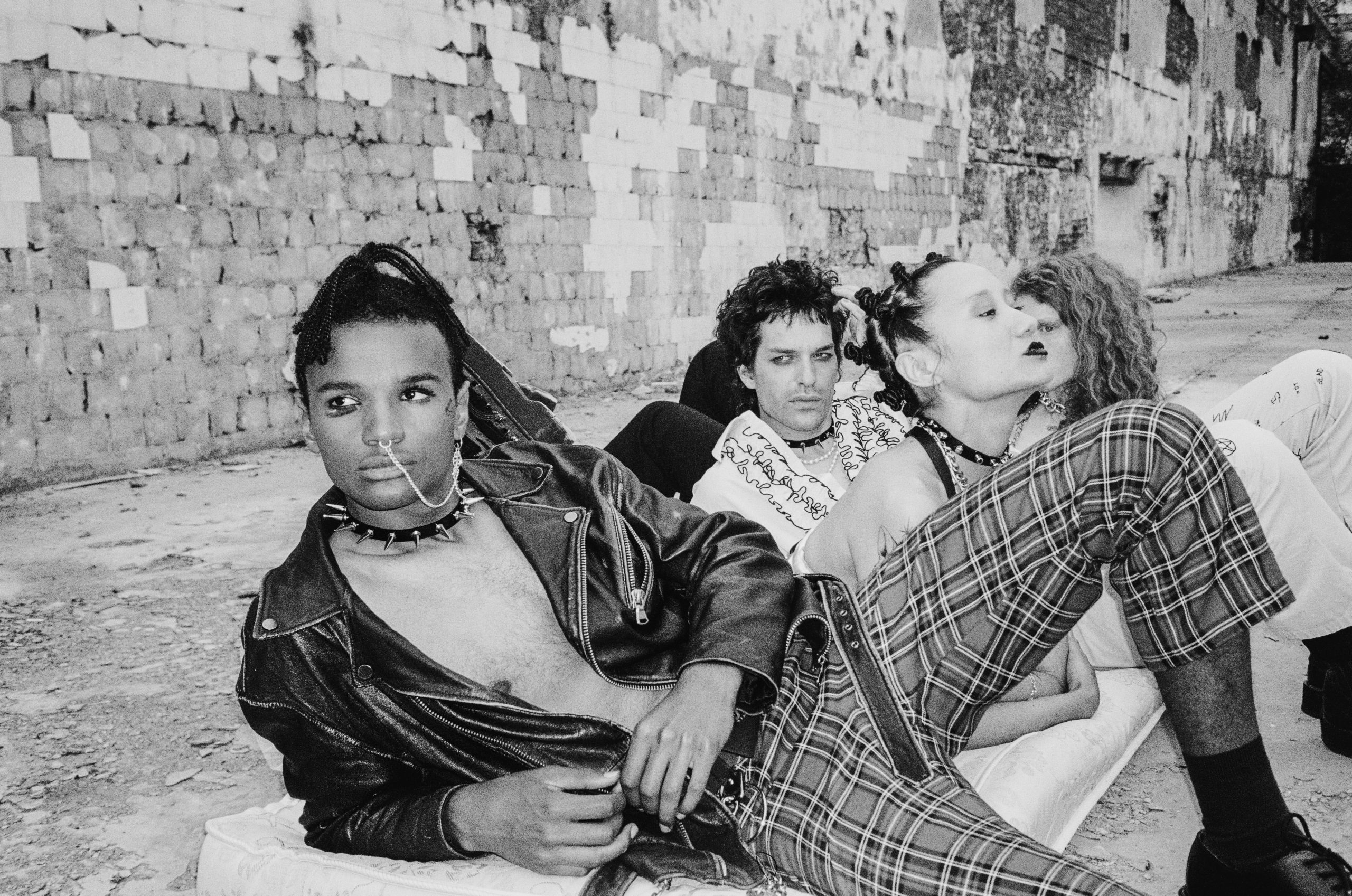
The Origins of Punk Fashion
The punk subculture emerged in the late 1970s as a response to the political and economic climate at the time. The music genre, characterized by its raw, aggressive sound, reflected the frustration and rebellious attitude of the youth. This attitude also extended to fashion, as punk fashion rejected the conventional norms of society and embraced a DIY, anti-establishment aesthetic.
Punk Fashion Staples
Punk fashion was all about making a statement and rejecting mainstream fashion trends. This led to the rise of iconic punk staples, such as ripped clothing, safety pins, and bold graphic tees. Leather jackets and studded accessories were also popular among punk fashion pioneers like Vivienne Westwood and Malcolm McLaren.
The Rise of Grunge Fashion
In the early 1990s, the grunge movement emerged in Seattle, Washington, led by bands like Nirvana and Pearl Jam. The grunge aesthetic was heavily influenced by the punk subculture, but with a more casual and laid-back approach. Unlike punk fashion, which was intentionally anti-fashion, grunge fashion embraced a grungy, unpolished look.
Grunge Fashion Staples
One of the most defining elements of grunge fashion was its thrift store aesthetic. This involved wearing oversized flannel shirts, ripped jeans, and Dr. Martens boots, all of which were easily found at thrift stores. Another staple of grunge fashion was layering, with long-sleeved shirts worn under band tees or oversized sweaters.
The Enduring Legacy of Punk and Grunge Fashion
While the punk and grunge fashion movements may have emerged decades ago, their legacy continues to be felt in the world of fashion today. Designers and brands still draw inspiration from these subcultures, incorporating elements of punk and grunge fashion into their designs.
Punk and Grunge on the Runway
Over the years, we have seen punk and grunge fashion make appearances on high-fashion runways. In 1993, Marc Jacobs famously staged a grunge-inspired collection for Perry Ellis, featuring flannels, ripped tights, and combat boots. More recently, designer labels like Coach, Saint Laurent, and Alexander McQueen have all incorporated elements of punk and grunge into their collections.
The Modern Take on Punk and Grunge
Today, punk and grunge fashion are not just limited to subcultures or the runway. These styles have become mainstream and are constantly evolving. From punk-inspired graphic tees to grunge-inspired chokers and plaid accessories, you can easily find nods to these subcultures in mainstream fashion. Even celebrities like Billie Eilish and Harry Styles have been seen sporting punk and grunge-inspired looks.
In conclusion, the history and enduring legacy of punk and grunge fashion is one that cannot be ignored. These subcultures and their fashion movements have left a significant mark on the world of fashion and continue to inspire new trends and styles. So, whether you’re a die-hard punk or grunge fan or simply drawn to their unique aesthetics, one thing is for sure – punk and grunge fashion will continue to have a lasting impact on the world of fashion.