
Understanding the Principles of Healthy Fat Cooking
Have you ever heard the saying, “fat makes you fat”? It’s a common misconception that all fats are unhealthy and should be avoided at all costs. However, the truth is that not all fats are created equal. In fact, certain types of fats are essential for our bodies to function properly and can even have a positive impact on our overall health. One key factor in making sure we are consuming healthy fats is through the method of cooking. In this article, we will explore the principles of healthy fat cooking and how it can benefit our well-being.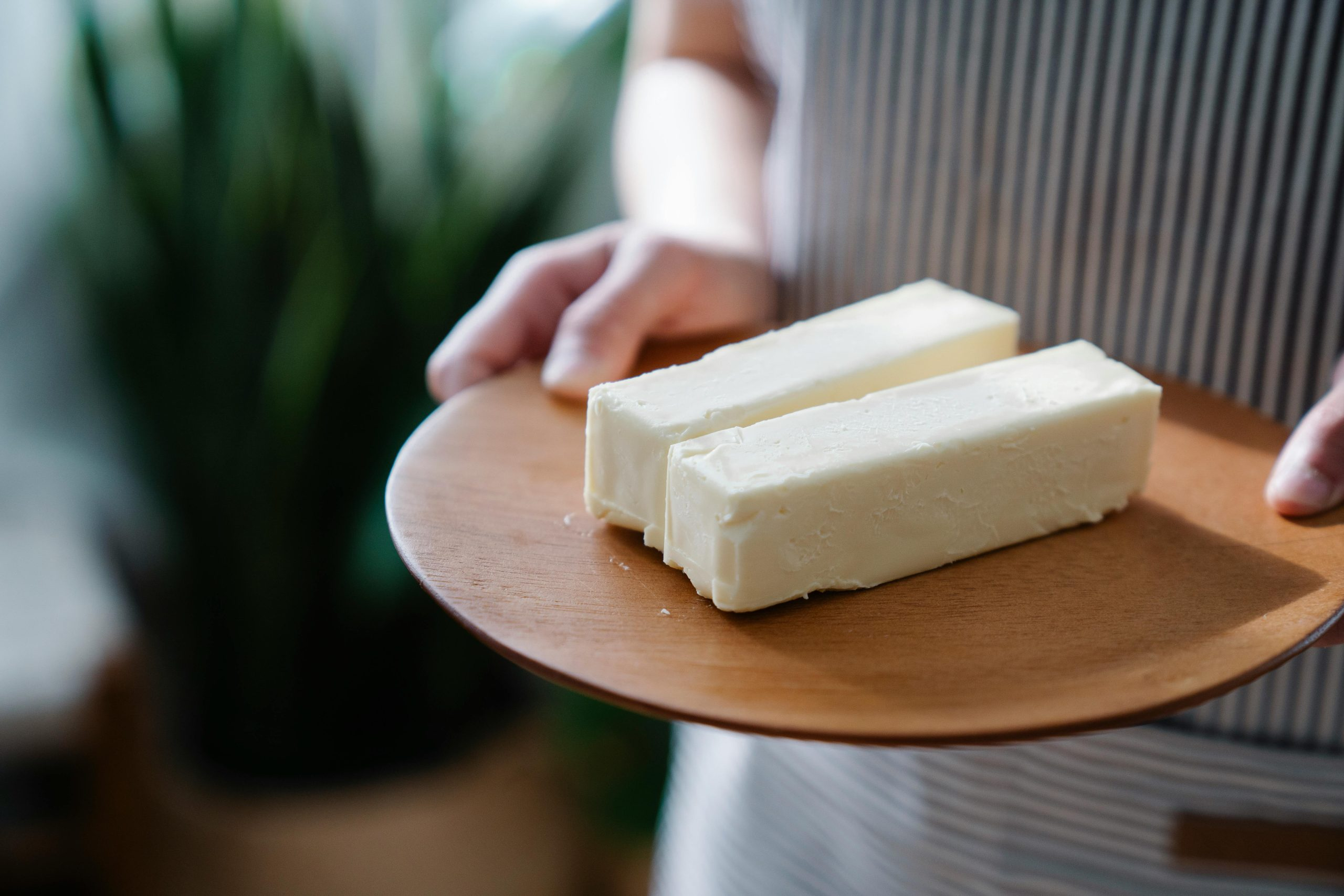
The Importance of Healthy Fats
Fat is one of the three essential macronutrients that our bodies need to function properly, along with carbohydrates and proteins. They provide us with energy, support cell growth, protect our organs, and help us absorb vital nutrients. However, not all fats are equal. There are four main types of fats: saturated, monounsaturated, polyunsaturated, and trans fats. Saturated and trans fats are considered unhealthy and can increase the risk of heart disease and other health problems. On the other hand, monounsaturated and polyunsaturated fats are considered healthy and can have a positive impact on our health.
Saturated Fats
Saturated fats are solid at room temperature and are typically found in animal products such as meat and dairy. They are also present in processed foods such as cookies, cakes, and fried foods. Consuming too much saturated fat has been linked to increased levels of LDL (bad) cholesterol and an increased risk of heart disease. The American Heart Association recommends limiting saturated fat intake to no more than 5-6% of total daily calories.
Trans Fats
Trans fats are unsaturated fats that have been chemically altered to become solid at room temperature, making them more stable and less likely to spoil. They are commonly found in processed foods such as fried foods, baked goods, and margarine. Trans fats can raise LDL cholesterol and lower HDL (good) cholesterol, increasing the risk of heart disease. The FDA has banned the use of partially hydrogenated oils, the primary source of trans fats, in food products starting in 2018.
Monounsaturated and Polyunsaturated Fats
Monounsaturated and polyunsaturated fats are considered healthy fats and are found in foods such as avocados, nuts, seeds, and fish. These fats can help lower LDL cholesterol and reduce the risk of heart disease. Additionally, polyunsaturated fats, specifically omega-3 fatty acids, have been linked to improving brain function, reducing inflammation, and supporting heart health.
The Principles of Healthy Fat Cooking
Now that we understand the importance of healthy fats, it is crucial to know how to incorporate them into our diet in a healthy way. One key factor to consider is the cooking method used. Here are a few principles to follow when cooking with fats:
Choose the Right Fat for the Cooking Method
Each type of fat has a different smoke point, which is the temperature at which the fat begins to smoke and produces toxic fumes and harmful free radicals. When choosing a fat for cooking, it is essential to consider the smoke point. For high-temperature cooking methods such as frying, avocado oil, ghee, and coconut oil are good options. For lower heat cooking, olive oil and canola oil are suitable choices.
Avoid Reusing Heated Oils
Reusing heated oils can lead to the formation of harmful compounds, known as advanced glycation end products (AGEs), which can increase the risk of chronic diseases. It is essential to discard any leftover oil after frying or cooking at a high temperature and only reuse oils that have been heated at lower temperatures.
Use Healthy Substitutes for Unhealthy Fats
Instead of using saturated or trans fats, opt for healthier alternatives. For example, instead of butter, use a heart-healthy oil such as olive oil for sautéing vegetables. You can also substitute mayonnaise with avocado or hummus for a healthier sandwich spread.
Don’t Be Afraid to Leave Some Fat Behind
While fats can add flavor and texture to food, it is unnecessary to use large quantities. When cooking meat, it is better to trim off excess fat before cooking rather than letting it cook into the dish.
In Conclusion
The principles of healthy fat cooking are crucial in maintaining a balanced and nutritious diet. By choosing the right types of fats and using them correctly in our cooking methods, we can enjoy flavorful and satisfying meals that are beneficial for our overall health. Consider incorporating healthy fats into your next meal and notice the positive impact on your well-being.








![The Unforgettable Smell That Defined My Trip to [Country]](https://www.circuitpage.com/wp-content/uploads/sites/88/2025/12/pexels-photo-2612113-scaled-300x200.jpeg)