
Mastering Mobile Payment Technology for Quick and Secure Transactions
In today’s fast-paced society, time is of the essence and convenience is key. With the rise of smartphones and mobile devices, there is a growing demand for quick and secure transactions. This is where mobile payment technology comes into play. No more fussing with cash or credit cards; mobile payment technology allows you to pay for goods and services with just a tap of your phone. But how does it work and how can you master it? In this article, we will delve into the world of mobile payment technology and discuss the benefits, security measures, and tips for mastering this convenient method of payment.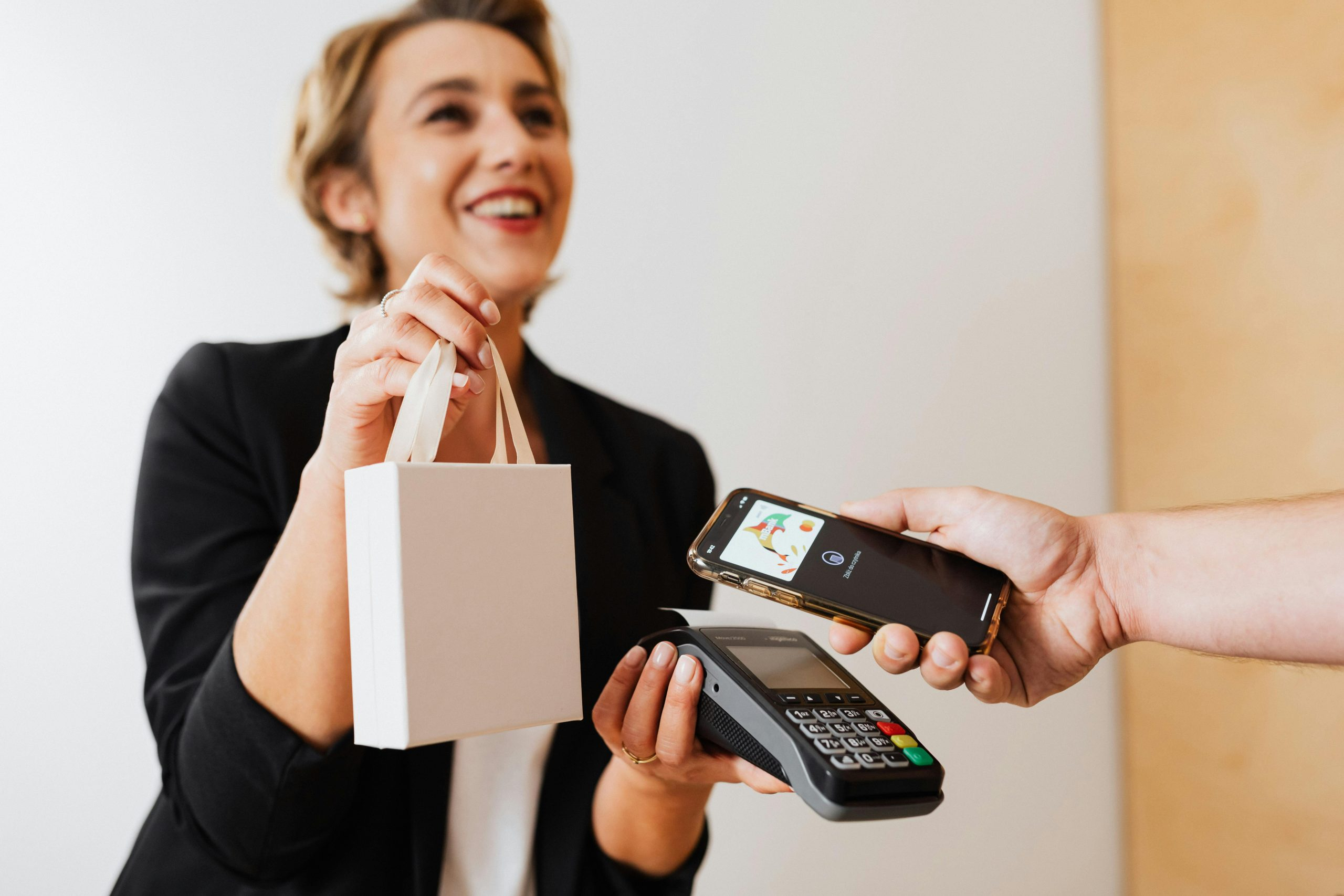
The Benefits of Mobile Payment Technology
One of the biggest advantages of mobile payment technology is the speed and convenience it offers. With just a few taps on your phone, you can complete a transaction in seconds, without the hassle of digging through your wallet for cash or swiping your credit card. This is especially useful for busy individuals who are always on the go and don’t want to waste time waiting in line or dealing with loose change.
Another benefit is the ease of use. Most smartphones come with pre-installed mobile payment apps such as Apple Pay, Google Pay, or Samsung Pay, making it easy for users to link their credit or debit cards to their device and start using it immediately. This eliminates the need for carrying multiple cards and simplifies the payment process.
Mobile payment technology also offers a more secure form of payment. Since your credit card information is not physically present, there is a lower risk of theft or fraud. Additionally, most mobile payment apps use encryption and tokenization to secure your information, making it difficult for hackers to access your data. This added layer of security gives users peace of mind, knowing that their financial information is safe.
How Mobile Payment Technology Works
So, how does mobile payment technology actually work? It uses a technology called Near Field Communication (NFC) to enable communication between your smartphone and the payment terminal. When you hold your phone near the terminal, the NFC chip in your phone sends a signal to the terminal, initiating the payment process.
Once the payment is initiated, the app generates a token, which is a unique code that is used to represent your credit or debit card information. This token is then sent to the payment terminal, allowing the transaction to be completed without exposing your actual card number. This token is also only valid for a short period, making it useless to anyone trying to access your card information.
While this process may seem complicated, it happens in a matter of seconds, providing a fast and secure way to make payments.
Tips for Mastering Mobile Payment Technology
1. Make Sure Your Phone is Compatible
Before you can start using mobile payment technology, you need to make sure that your phone is NFC-enabled and compatible with the payment app you want to use. This information can usually be found in your phone’s settings or by checking with your mobile service provider.
2. Link Your Credit or Debit Cards
Once you have a compatible phone, you need to link your credit or debit cards to your mobile payment app. This step usually involves entering your card information or taking a picture of your card to auto-fill the details. Make sure to double-check the information before saving it to avoid any errors.
3. Familiarize Yourself with the App
Take some time to explore the features and settings of your chosen mobile payment app. This will make the payment process smoother and help you understand the security measures in place.
4. Look for Mobile Payment Signs
Not all stores and businesses accept mobile payments, so keep an eye out for the mobile payment symbol at checkout. This will save you the frustration of attempting to pay with your phone and finding out it’s not an option.
5. Keep Your Phone Charged
Since mobile payment technology relies on your phone’s battery, it’s important to keep your phone charged to avoid any payment interruptions. Consider investing in a portable charger for long days out.
6. Use Password Protection
Most mobile payment apps come with the option to set a password or biometric authentication, such as fingerprint or face ID. This adds an extra layer of security and prevents unauthorized use of your phone for payments.
Conclusion
With its many benefits and ease of use, mobile payment technology is becoming a popular choice for many consumers. Its fast and secure transactions make it a convenient way to pay for goods and services on the go. By following these tips and staying informed about the latest updates and security measures, you can master mobile payment technology and enjoy a hassle-free payment experience. So, leave your wallet at home and embrace the future of payment with your smartphone in hand.