
Addressing the Equity Gap in Access to Music Instruction
When it comes to music education, access is not always equal. In fact, there is often a significant equity gap that exists, leaving many students without the opportunity to learn and develop their musical talents. This gap is particularly prevalent among low-income communities, where there may be limited resources and funding for music programs. This issue of access to music instruction has long been a concern, but it is important to address it now more than ever. In this article, we will explore the equity gap in access to music instruction and discuss solutions to bridge this gap.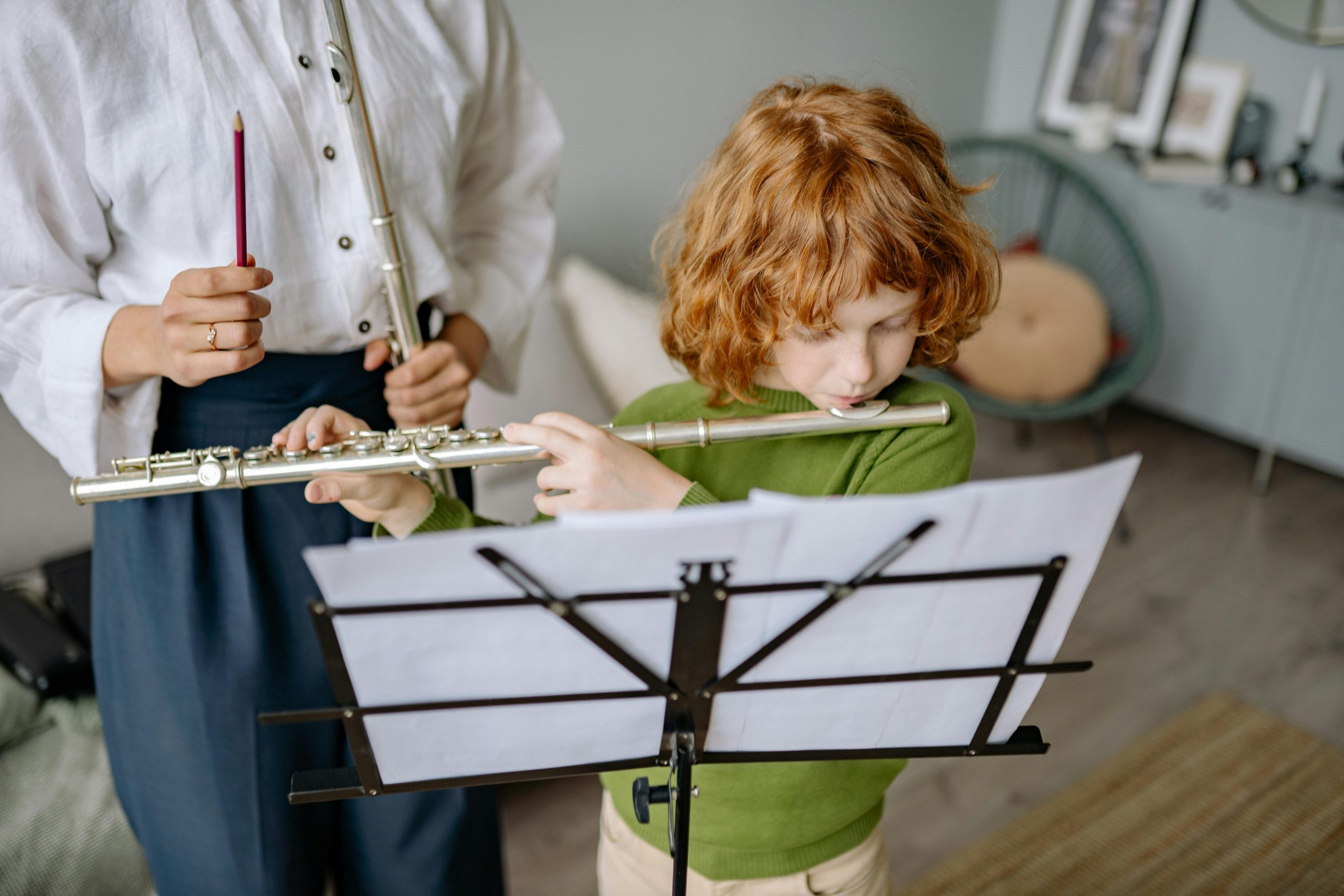
The Importance of Music Instruction
Before diving into the issue of equity in access to music instruction, it is essential to understand the importance of music education in schools. Learning music has numerous benefits for students, including improving academic performance, developing creativity and critical thinking skills, and promoting social and emotional well-being.
Unfortunately, not all students have the same opportunities to experience these benefits. Research shows that low-income and minority students are less likely to have access to music education compared to their wealthier and white counterparts. This disparity in access can have long-term implications, as music education has been linked to higher graduation rates and increased college attendance.
The Inequity of Music Instruction
Lack of Resources
One of the main reasons for the equity gap in access to music instruction is the lack of resources in low-income communities. Music programs often require expensive instruments, sheet music, and other materials, making it difficult for schools in these communities to provide quality instruction. As a result, many students are left without the chance to explore and develop their musical talents.
Funding Disparities
In addition to a lack of resources, there are also funding disparities that contribute to the inequity of music instruction. Schools in wealthier communities typically have more funding for their music programs, allowing them to provide more opportunities and resources for their students. On the other hand, schools in low-income communities may have to cut their music programs due to budget constraints, further widening the gap in access.
Cultural and Social Barriers
Another significant factor in the equity gap is cultural and social barriers. Many low-income and minority students may not have the same exposure to music as their wealthier and white peers, which can make it more challenging to access music instruction. Additionally, there may be cultural stigmas around certain types of music, limiting the diversity of music instruction in schools.
Addressing the Equity Gap
Equal Distribution of Resources
One of the most critical steps in addressing the equity gap in access to music instruction is ensuring that resources are equitably distributed among schools. This means prioritizing funding for music programs in low-income communities and providing necessary resources such as instruments and sheet music. By doing so, we can create equal opportunities for all students to experience the benefits of music education.
Diverse and Inclusive Music Education
It is also crucial to promote diverse and inclusive music education in schools. This means incorporating a variety of music genres, cultures, and perspectives into the curriculum. By doing so, we can break down cultural and social barriers and provide a more well-rounded music education for all students.
Community Partnerships
Another way to bridge the equity gap is through community partnerships. Schools can partner with local music organizations, businesses, and individuals to provide additional resources and opportunities for students. These partnerships can also offer mentorship programs and workshops, giving students a chance to learn directly from professionals in the music industry.
Conclusion
Addressing the equity gap in access to music instruction is crucial for the future success of all students. By providing equal opportunities for music education, we can promote creativity, critical thinking, and social well-being in all communities. It is imperative that we take action now to bridge this gap and create a more equitable and inclusive music education system for all students. By doing so, we can help nurture the musical talents of the next generation and create a more harmonious and diverse society.





![How Travel Changed My Perspective on [Topic]](https://www.circuitpage.com/wp-content/uploads/sites/88/2025/12/pexels-photo-910299-scaled-300x200.jpeg)