
Converting Commercial Spaces into Trendy Residential Lofts Successfully
In recent years, there has been a growing trend of converting commercial spaces into trendy residential lofts. These unique living spaces offer a combination of modern amenities and industrial charm, creating a one-of-a-kind living experience for those seeking something different from traditional apartments or homes. From repurposed factories to converted office buildings, there are many ways to successfully transform a commercial space into a trendy residential loft.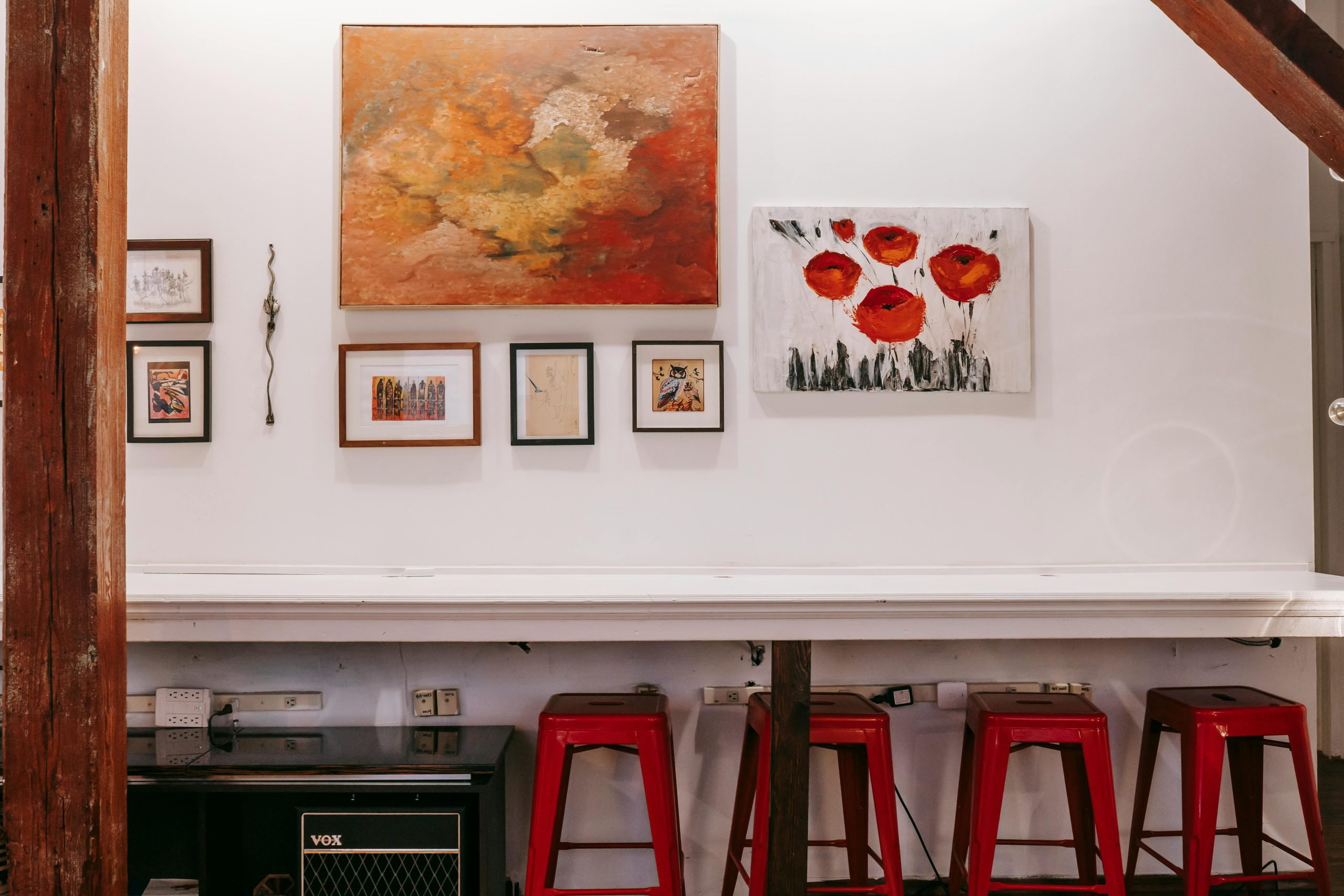
Understanding the Concept
Before delving into the details of converting commercial spaces into trendy residential lofts, it is important to understand what this concept entails. A commercial space refers to any building or area that is primarily used for business purposes, such as offices, warehouses, retail stores, or even restaurants. On the other hand, a residential loft is a spacious, open-concept apartment that often features exposed ceilings, brick walls, and large windows.
The Appeal of Trendy Residential Lofts
So, why are more and more people drawn to the idea of living in a trendy residential loft? For starters, these spaces offer a unique and stylish living environment that cannot be replicated in a typical apartment or house. The combination of industrial elements with modern design creates a cool and edgy atmosphere that appeals to many. Additionally, converted commercial spaces often have high ceilings, large windows, and open layouts that give residents plenty of room for creativity in terms of interior design.
Factors to Consider
Converting a commercial space into a trendy residential loft is not without its challenges. There are several important factors to consider before embarking on such a project.
Location
The location of the commercial space is a crucial factor in the success of the conversion. The ideal space should be in a desirable and up-and-coming neighborhood, with easy access to amenities and transportation. Keep in mind that trendy residential lofts are often considered a luxury living option, so the location should match that status.
Permits and Regulations
Before starting any construction or renovations, it is important to obtain all necessary permits and approvals from local authorities. Converting a commercial space into a residential loft may require zoning changes or special permits, so be sure to do your research and follow all regulations to avoid any issues in the future.
Structural Integrity
Safety is a top priority when converting a commercial space into a residential loft. You must ensure that the building has a strong and sound structure before making any changes. It is always wise to consult with a structural engineer to assess the building’s stability and suggest any necessary reinforcements.
The Conversion Process
Once all the necessary considerations have been taken care of, it’s time to start the conversion process. The following are some important steps to successfully transform a commercial space into a trendy residential loft.
Design and Layout
The design and layout of the loft will play a significant role in its appeal and functionality. It is essential to have a clear vision of the space and how you want it to look and function. Work with a professional designer or architect to come up with a layout that maximizes the space’s potential while maintaining its industrial charm.
Electrical and Plumbing
Most commercial spaces were not designed to be residential living quarters, so they may lack essential features like proper wiring and plumbing. These are critical elements that need to be addressed during the conversion process. A licensed electrician and plumber should handle these tasks to ensure they meet the necessary safety standards.
Insulation and Soundproofing
Commercial spaces are not typically designed to provide the level of insulation needed for a comfortable and energy-efficient home. To avoid excessive heating and cooling costs and maintain a comfortable temperature, proper insulation is crucial. Additionally, soundproofing is essential as these lofts often have open layouts, which can lead to noise disturbances. Consider installing soundproofing materials to improve the living experience of the residents.
Conclusion
Converting a commercial space into a trendy residential loft is not a simple or straightforward process. It requires careful planning and consideration to ensure a successful outcome. However, with the right location, proper permits, and a well-executed design, this project can result in a unique and desirable living space that combines the best of both worlds – industrial charm and modern luxury.