
The Evolution of Housing Design Over the Last Fifty Years
Housing design has come a long way over the last fifty years. From traditional single-family homes to modern, minimalist high-rises, the evolution of housing design has been shaped by a myriad of cultural, technological, and economic factors. Throughout the decades, architects and designers have constantly pushed the boundaries of what is possible, resulting in stunning and innovative homes that reflect the values and needs of their time. In this article, we will explore the fascinating evolution of housing design over the past fifty years, and how it has transformed the way we live.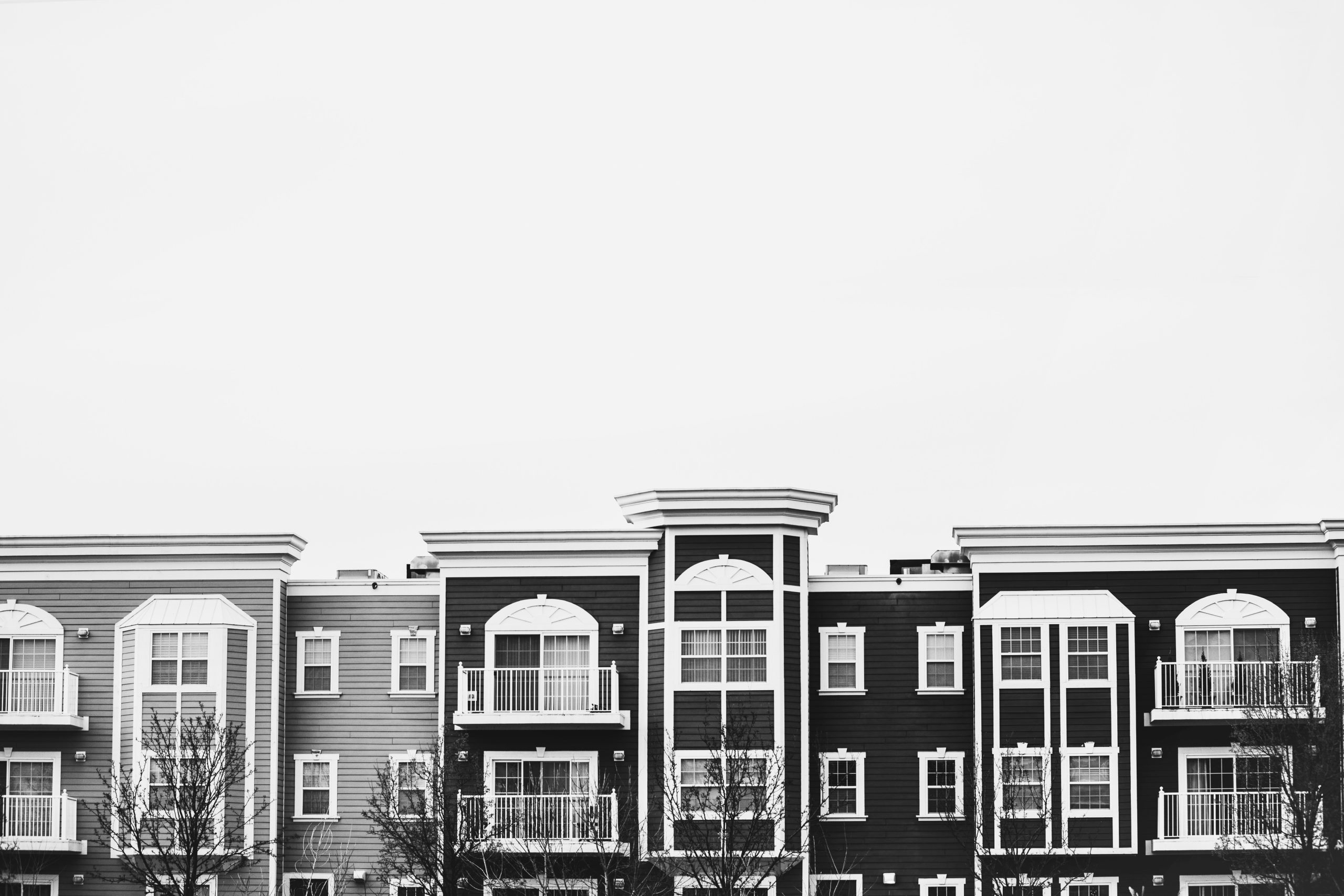
The 1970s: The Rise of Postmodernism
The 1970s brought about a significant shift in housing design, marked by the rise of postmodernism. This movement rejected the strict rules and principles of modernism and instead embraced a more playful and eclectic approach. Buildings became more individualistic and expressive, with bright colors and unusual shapes. Traditional concepts such as symmetry and proportion were deliberately disrupted, resulting in visually striking designs that challenged the status quo.
The Invention of the Ranch Home
During the 1970s, the ranch home became a popular choice for suburban families. Originating in California in the 1930s, the ranch home was a low, one-story home with a simple, rectangular shape. Its open floor plan and connection to the outdoors made it a perfect fit for the laid-back lifestyle of the 70s. One of the most defining features of the ranch home was its integration with nature, with large windows and sliding doors that allowed for natural light and air to flow freely.
The 1980s: The Era of McMansions
The 1980s saw a significant increase in housing production, thanks to the economic growth and prosperity of the decade. This resulted in the rise of the “McMansion” – a large, ostentatious home that embodied the excess and opulence of the time. McMansions were characterized by their grandiose appearance, with multiple levels, high ceilings, and an array of architectural styles and features. However, this trend also brought about concerns about sustainability and the environmental impact of such large homes.
The Emergence of Gated Communities
During the 1980s, gated communities started to gain popularity, especially in affluent areas. These communities offered a sense of exclusivity and security, with their controlled entrances and private amenities. However, this also led to a sense of isolation and segregation, as these communities were often cut off from the rest of society. The rise of gated communities also highlighted the growing wealth gap in society, as only the wealthiest could afford to live in these exclusive enclaves.
The 1990s: The Influence of Technology
The 1990s brought about a significant advancement in technology, which had a profound impact on housing design. The rise of the internet and digital devices led to the development of “smart homes,” where technology was integrated into every aspect of the home, from security systems to entertainment. The goal was to make homes more efficient, convenient, and comfortable, with features such as remote-controlled lighting and heating systems.
The Modernist Revival
In the 1990s, there was a resurgence of interest in modernist architecture, with architects and designers revisiting the principles of the Bauhaus movement. The focus was on simplicity, functionality, and the use of new materials and techniques. This resulted in sleek and minimalist homes, with an emphasis on open spaces and natural light. The use of glass, steel, and concrete gave these homes a clean and industrial aesthetic.
The 2000s: Sustainable Design
The turn of the millennium saw a growing awareness of the impact of our actions on the environment, leading to a shift towards sustainable design. Green building practices, such as using renewable materials and energy-efficient systems, became increasingly popular. This resulted in homes that were not only environmentally friendly but also more cost-effective and healthier for their inhabitants.
The Tiny House Movement
One of the most significant trends in housing design in the 2000s was the emergence of the tiny house movement. This movement, which advocates for living in small, eco-friendly homes, gained popularity as a response to the increasing cost of homeownership and the desire for a simpler, more sustainable lifestyle. Tiny homes come in various forms, from converted shipping containers to traditional-style cottages, and often utilize creative and space-saving designs to maximize functionality.
The 2010s: The Future is Now
The last decade has seen a continuation of the trends and movements of the previous decades, with a particular focus on incorporating technology and sustainability into home design. The rise of social media and influencer culture has also played a significant role, with homeowners seeking to create unique and Instagram-worthy spaces.
The Popularity of Open Plan Living
Open plan living has become the preferred layout for many homeowners in the 2010s, with kitchens, living, and dining areas all flowing into one another. This trend reflects the desire for a more casual and connected lifestyle where family and friends can gather and socialize. Open plan living also allows for more flexible use of space and better natural light and ventilation.
In conclusion, the evolution of housing design over the last fifty years has been a reflection of our changing values and priorities. From the playful and individualistic designs of the 1970s to the sustainable and technology-driven homes of today, each decade has left its unique mark on the architectural landscape. It will be fascinating to see how housing design will continue to evolve and adapt to the ever-changing needs and desires of society in the years to come.