
Can Virtual Reality Help Consumers ‘Try Before They Buy’ Effectively?
In today’s digital age, consumers have become increasingly reliant on online shopping for their purchasing needs. However, one major drawback of online shopping is the inability to physically experience a product before making a purchase. This is where virtual reality (VR) comes into play, offering a potential solution for those hesitant to buy products without trying them first-hand. But can virtual reality really help consumers ‘try before they buy’ effectively? Let’s take a closer look.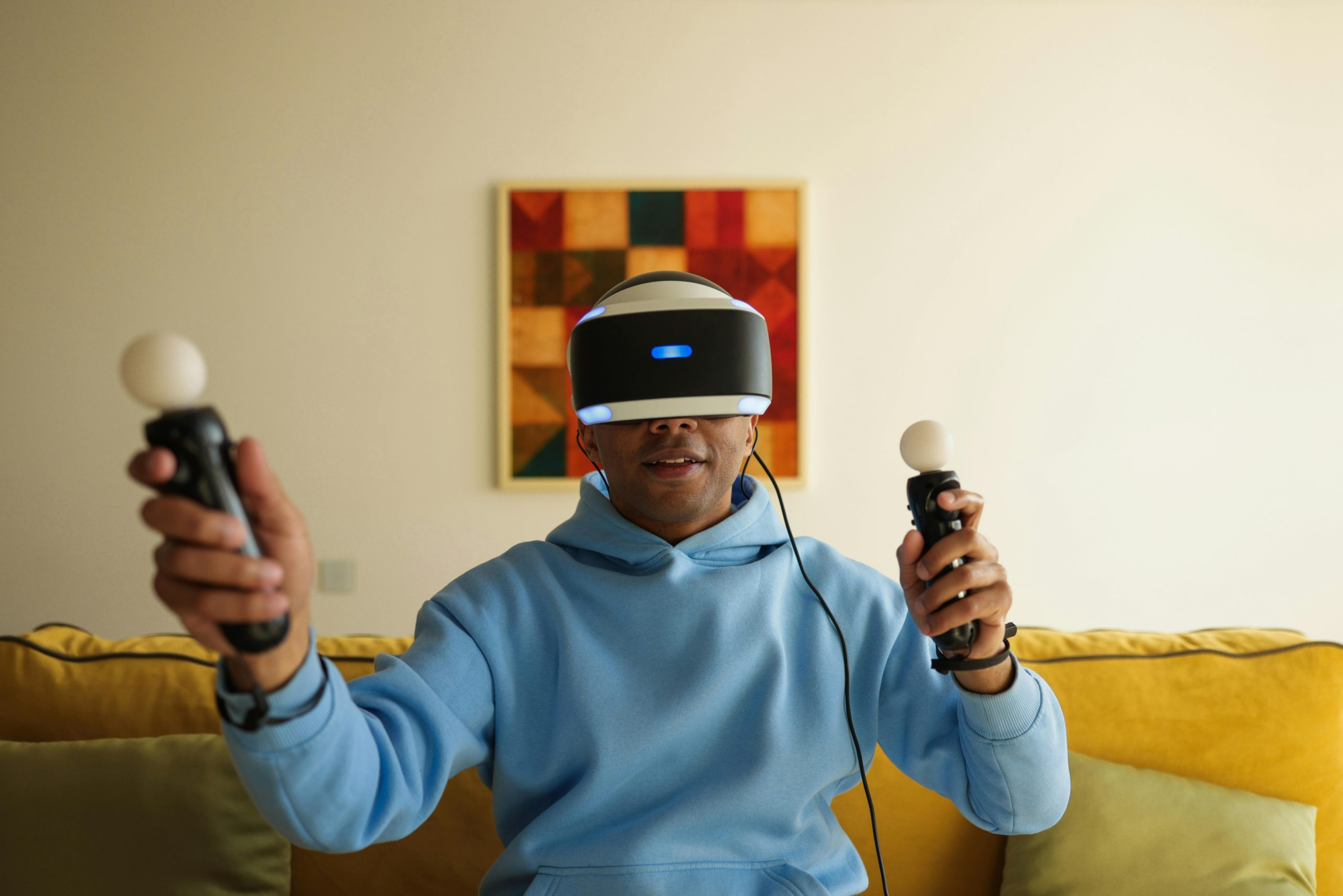
The Promise of Virtual Reality
Virtual reality is a computer-generated simulation that immerses users in a three-dimensional environment, allowing them to interact with their surroundings through special electronic equipment, such as a VR headset or controllers. With its hyper-realistic graphics and immersive experience, VR has become increasingly popular in the entertainment and gaming industries. However, its potential reaches far beyond just entertainment – it has the ability to change the way we shop.
Trying Before Buying in a Virtual World
When it comes to online shopping, one of the biggest challenges consumers face is the lack of tangible experience with a product. They can’t see it, touch it, or try it on, leading to uncertainty and potential hesitation in making a purchase. This is where virtual reality can make a significant impact. By creating a virtual world where customers can interact with products in a lifelike setting, VR allows them to experience the product as if they were in a physical store. This creates a ‘try before you buy’ experience that is impossible to replicate on traditional online shopping platforms.
A Closer Look at VR Shopping
With VR shopping, customers can browse through products and interact with them in a virtual store, just as they would in a physical store. They can pick up items, examine them, try them on, and even see how they look in different lighting conditions. It offers a level of realism that standard product images and descriptions simply cannot match. In fact, a recent study found that VR can increase purchase intent by as much as 30%, highlighting its potential to be a powerful sales tool.
Breaking Barriers for E-Commerce Businesses
Virtual reality also presents a unique opportunity for e-commerce businesses. As VR technology becomes more accessible and affordable, more businesses can incorporate it into their online shopping platforms, providing a competitive edge over those that do not. Furthermore, by creating a more immersive experience, VR can potentially reduce the number of product returns due to customer dissatisfaction, saving businesses time and money.
The Limitations of VR in ‘Try Before You Buy’
While virtual reality offers a promising solution for ‘try before you buy’, it is not without its limitations. One major barrier is the initial cost of VR technology. While it has become more affordable in recent years, it is still an investment for both businesses and customers. Additionally, not all products can be experienced realistically through VR, such as taste or smell. There is also the risk of product representation in the virtual world, with the possibility of inflated or unrealistic visuals that may not accurately reflect the physical product.
The Future of ‘Try Before You Buy’ with VR
Despite its limitations, virtual reality has the potential to revolutionize the way we shop and ‘try before we buy’. With continuous advances in technology and reducing costs, VR is becoming more accessible to businesses and customers alike. It also has the potential to extend beyond just product trials – imagine virtual home renovations, virtual test drives, and more. As VR technology continues to develop, it is only a matter of time before ‘try before you buy’ becomes the new norm for online shopping.
In Conclusion
Virtual reality presents an exciting opportunity to bridge the gap between online and in-store shopping. It offers a solution for customers to experience products before buying, providing a more realistic and enjoyable shopping experience. While there are still barriers to be addressed, the potential for VR in ‘try before you buy’ is promising, and it will be interesting to see how it evolves in the future.