
Examining Different Payment Methods: Which Approach Works Best for Retail?
The rise of online shopping has revolutionized the retail industry, and with it, the payment methods used by consumers. The days of solely relying on cash or credit cards are long gone, as retailers now have a plethora of options to choose from when it comes to accepting payments. But with so many different approaches available, which payment method is truly the best for retail businesses? In this article, we will examine the various payment methods and evaluate which approach works best for retail.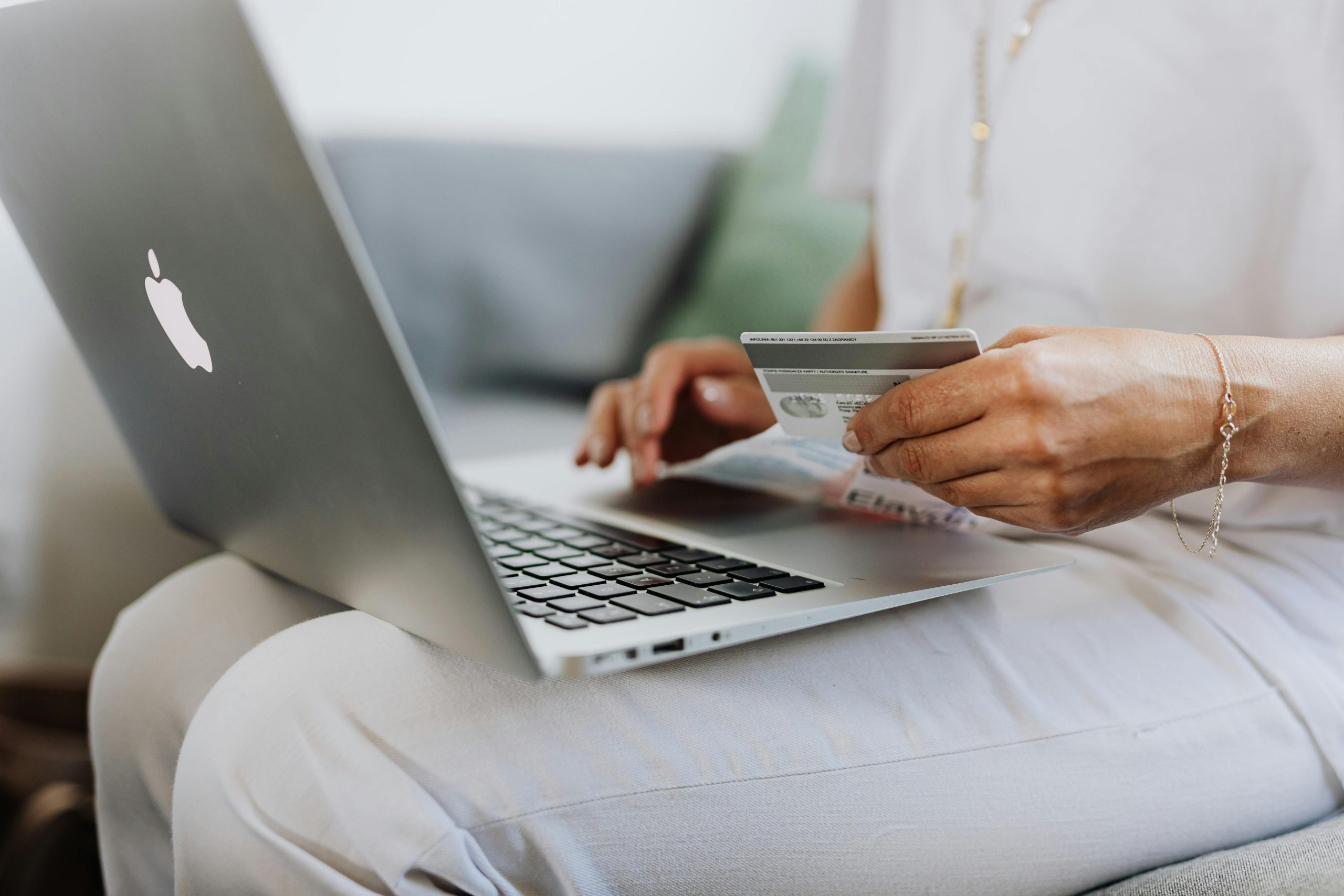
Traditional Payment Methods
Let’s start with the most well-known and traditional payment methods: cash and credit cards. These methods have been around for decades and are still widely used by consumers. Despite the advancements in technology, cash remains the most basic and reliable form of payment. It is convenient for customers and does not require businesses to invest in expensive equipment to accept payments.
Credit cards, on the other hand, offer customers more flexibility and allow them to make larger purchases. However, retailers have to factor in transaction fees and potential chargebacks, making credit card payments less favorable for small businesses. Additionally, with the rise of digital and contactless payments, credit cards are slowly becoming outdated.
Digital and Mobile Payments
The rise of digital payments has been exponential, with more and more consumers opting for this method of payment. Digital payments allow customers to securely transfer money through their mobile devices, eliminating the need for cash or cards. This payment method is particularly popular among millennials and Gen Z, who are more tech-savvy and prefer convenience over traditional methods.
Another popular digital payment method is mobile wallets, such as Apple Pay and Google Pay. These mobile wallets have gained a lot of traction in recent years, with more retailers incorporating this option into their payment systems. Mobile wallets are not only convenient but also offer an added layer of security for customers.
Alternative Payment Methods
In addition to traditional and digital payment methods, there are also alternative payment options available for retailers. These methods include buy now, pay later services, cryptocurrencies, and peer-to-peer payment apps.
Buy now, pay later services, like Afterpay and Klarna, have gained popularity as they give customers the option to pay for their purchases in installments. This allows retailers to attract customers who may not have the immediate funds to make a full payment and can increase their sales.
Cryptocurrencies, such as Bitcoin and Ethereum, are still in their early stages but have the potential to revolutionize the retail industry. These digital currencies offer a decentralized and secure way for customers to make payments. However, the fluctuating value of cryptocurrencies and the lack of widespread adoption make it a risky option for retailers.
Peer-to-peer payment apps, like Venmo and PayPal, have also emerged as alternative payment methods for retail. These apps allow customers to transfer money to one another without the need for cash. Retailers can benefit from accepting payments through these apps as it appeals to their tech-savvy customers.
The Best Approach for Retail Businesses
With so many payment options available, it can be challenging to determine which approach works best for retail businesses. The truth is, there is no one-size-fits-all solution, as it ultimately depends on the nature of the business and its target audience.
For large retailers, offering a variety of payment options, including traditional and digital methods, can cater to a wider customer base. Small businesses, on the other hand, may benefit from sticking to traditional methods to keep costs down.
Ultimately, retailers need to stay on top of trends and consumer preferences to determine the best payment approach for their business. Keeping an open mind and constantly evaluating and adapting to new payment methods will ensure that retailers stay ahead of the competition and meet the ever-changing needs of their customers.
In Conclusion
The retail landscape has evolved, and so have payment methods. While traditional methods like cash and credit cards are still widely used, digital and alternative payment options have gained popularity, especially among younger generations. Different approaches work best for different retail businesses, and it is essential for retailers to stay informed and adapt to the changing payment landscape to cater to their customer’s needs. After all, providing a seamless and convenient payment experience can make all the difference in retaining customers and ultimately, driving sales and success.