
Mastering Omnichannel Retail: Best Practices for Seamless Shopping
In today’s digital age, the retail industry has undergone a significant transformation. Gone are the days of traditional brick-and-mortar stores being the only means of shopping. With the rise of ecommerce and the increasing use of smartphones, consumers now have multiple channels to shop from. This has resulted in the emergence of omnichannel retail, where businesses seamlessly integrate all their channels to provide a unified shopping experience to customers. While this brings numerous benefits to both retailers and consumers, it also poses some challenges. In this article, we will discuss the best practices for mastering omnichannel retail and providing a seamless shopping experience for consumers.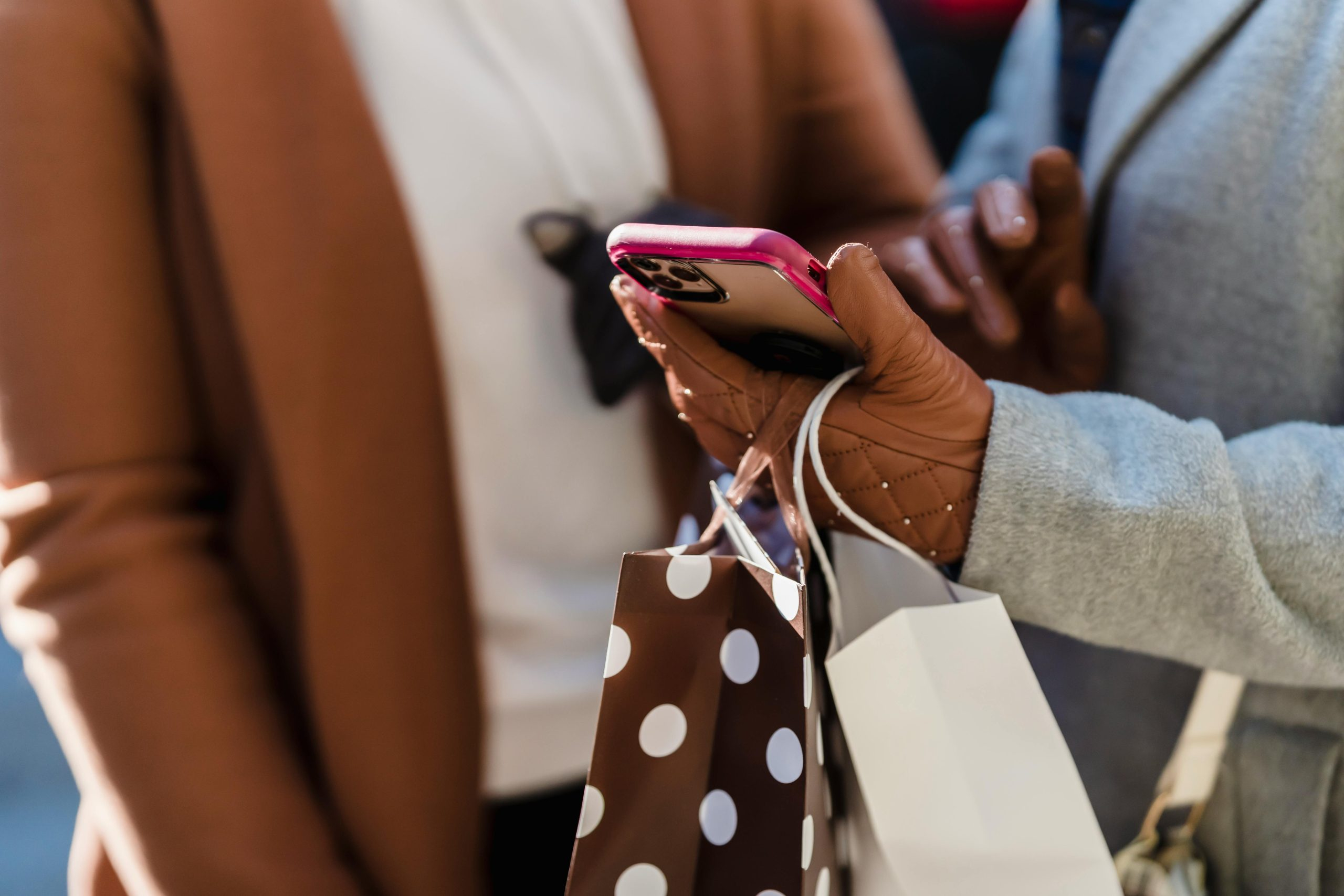
The Importance of Omnichannel Retail
Omnichannel retail is all about creating a consistent and seamless shopping experience for customers, regardless of the channel they choose to shop from. It involves integrating all online and offline channels, from websites to mobile apps to physical stores, to provide customers with a unified brand experience. In today’s competitive market, where customer experience is key, mastering omnichannel retail has become crucial for businesses to thrive.
Best Practices for Mastering Omnichannel Retail
1. Invest in an Integrated System
The first step to mastering omnichannel retail is to invest in an integrated system that allows you to manage all your channels in one place. This will make it easier to track and manage inventory, orders, and customer data, providing a consistent view of your business across all channels. It also enables you to offer features such as click-and-collect, where customers can order online and pick up in-store, enhancing the convenience of shopping.
2. Create a Seamless Shopping Experience
The key to successful omnichannel retail is to create a seamless shopping experience for customers. This means ensuring that your brand messaging, design, and user experience are consistent across all your channels. Your customers should have a similar experience, whether they are browsing your website, using your mobile app, or visiting your physical store. This not only strengthens your brand identity but also makes it easier for customers to navigate and make purchases.
3. Personalize the Shopping Experience
Personalization is crucial in today’s retail landscape, and it becomes even more important in omnichannel retail. With the abundance of customer data available, businesses can use it to personalize the shopping experience for customers across all channels. This can include personalized product recommendations, targeted marketing campaigns, and loyalty programs.
4. Embrace Technology
Technology plays a significant role in mastering omnichannel retail. From AI-powered chatbots to virtual and augmented reality, there are numerous ways businesses can leverage technology to enhance the shopping experience. For instance, AR technology can allow customers to try on clothes virtually, while chatbots can assist with customer inquiries in real-time.
5. Provide Flexibility in Delivery and Returns
With omnichannel retail, customers have more options when it comes to delivery and returns. Providing flexible options such as same-day delivery, free shipping, and easy returns can significantly improve the shopping experience. This not only attracts customers but also increases loyalty and satisfaction.
6. Monitor and Analyze Data
In the omnichannel retail landscape, customer data is gold. Businesses must continuously monitor and analyze data from all channels to gain insights into customer behavior and preferences. This allows businesses to make data-driven decisions and improve the overall shopping experience for customers.
7. Continuously Evolve
Omnichannel retail is a constantly evolving concept, and businesses must continuously adapt and evolve to keep up with the changing landscape. Embracing new technologies, analyzing data, and keeping an eye on market trends are vital for staying ahead in the game.
In Conclusion
Mastering omnichannel retail is no easy feat, and it requires a lot of effort and investment. However, with the benefits it brings, including increased customer satisfaction, loyalty, and revenue, it is undoubtedly worth it. By following these best practices, businesses can provide a seamless shopping experience that satisfies their customers’ needs and expectations, setting them apart from their competitors in the omnichannel retail world.