
The History of Credit Cards: Lessons for Today’s Consumer Debt
When you think of a credit card, you might picture a little piece of plastic that allows you to make purchases without carrying cash. However, credit cards have a much longer and more interesting history than you may realize. In this article, we will delve into the journey of credit cards from their humble beginnings to their impact on today’s consumer debt. Along the way, we will discover valuable lessons that can help us better manage our finances and navigate the world of credit. So, let’s take a trip through the history of credit cards and see what we can learn for our present-day financial struggles.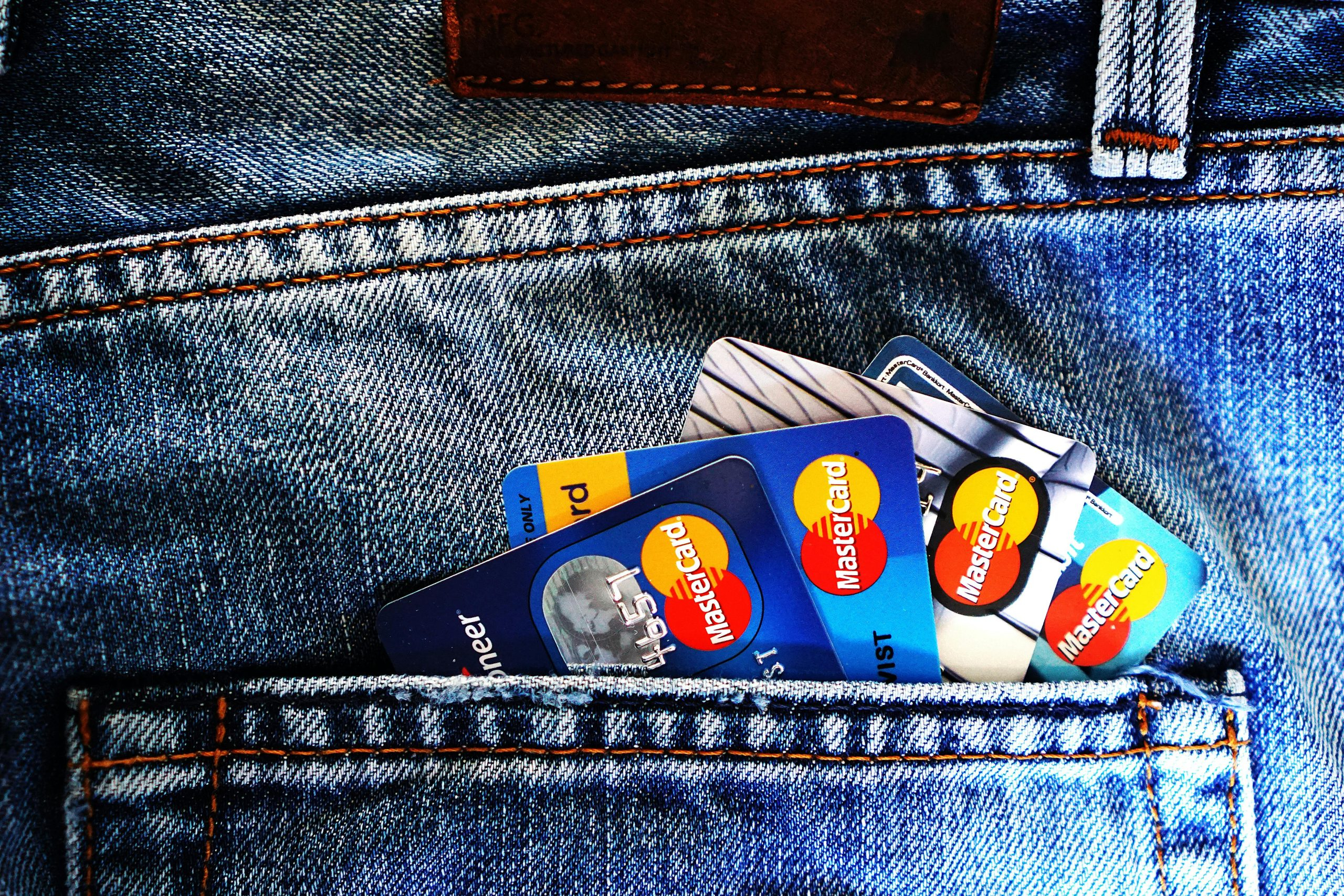
The Origins of Credit Cards
It may come as a surprise, but credit cards have been around since the late 19th century. However, their early forms were quite different from the ones we use today. One of the first examples of a credit card was the “charge coin” introduced in 1891 by a department store in New York. These were small metal coins or plates that customers could use to make purchases on credit. The coins had the store’s name and a code number engraved on them, which was used to keep track of the customer’s account.
The idea of a revolving credit system, where customers could carry a balance and make monthly payments, was introduced in the 1950s. The Diners Club card, the first modern credit card, was launched in 1950 by Frank McNamara and Ralph Schneider. This card was initially intended for use at restaurants and entertainment venues, but it became widely accepted by various merchants, paving the way for credit cards as we know them today.
How Credit Cards Changed Consumer Habits
With credit cards, consumers no longer had to carry large amounts of cash or write checks for every purchase. This convenience factor, along with the ability to make purchases on credit, quickly made credit cards a must-have for many people. However, it also led to a shift in spending habits. People started to spend more than they could afford, thanks to the illusion of having unlimited funds available on their credit cards.
This change in consumer behavior also presented an opportunity for credit card companies to earn profits. They began to offer rewards and incentives to attract more customers, further encouraging spending without considering the consequences. Furthermore, the ease of obtaining credit cards and the lack of financial education led many people to rack up large amounts of debt that they couldn’t manage, leading to financial struggles and even bankruptcy for some.
Lessons for Today’s Consumer Debt
The history of credit cards shows us that while they can be useful and convenient, they also have the potential to cause financial harm if not used responsibly. So, what lessons can we take away from this to avoid falling into the same pitfalls as our predecessors?
Understand the Fine Print
Before signing up for a credit card, make sure you read and understand the terms and conditions. Know the interest rate, fees, and any other charges that may apply. This will help you make informed decisions and avoid any surprises that could lead to more debt.
Use Credit Wisely
Credit cards can be a valuable tool in managing your finances, especially in emergencies. However, it’s essential to use them wisely and only for what you can afford to pay back. It’s crucial to keep your credit utilization ratio low, which is the amount of credit you are using compared to your credit limit. A lower ratio shows that you can manage credit responsibly and can positively impact your credit score.
Always Make Payments on Time
One of the most critical factors in managing credit card debt is making payments on time. Late payments not only result in additional fees and interest charges, but they also negatively impact your credit score. Set up automatic payments or reminders to ensure you never miss a due date.
Seek Financial Education
As the saying goes, “knowledge is power,” and this holds especially true for finances. Many people struggle with credit card debt simply because they lack the necessary knowledge on how to manage their money. Consider attending a financial education class or seeking advice from a financial advisor to improve your understanding of credit and how to use it wisely.
In conclusion, the history of credit cards has shown us both the benefits and pitfalls of this financial tool. By understanding the lessons learned from the past, we can be better equipped to manage credit and make responsible decisions to avoid falling into the trap of consumer debt. So, next time you swipe your credit card, remember the journey it has taken to get to your wallet and use it wisely.