Chasing the Northern Lights: Essential Tips for Viewing Success
As the nights grow longer and the temperature drops, many adventurous travelers turn their sights to the elusive and awe-inspiring Northern Lights. Also known as the aurora borealis, this natural phenomenon occurs when charged particles from the sun collide with Earth’s atmosphere, creating breathtaking displays of colorful lights dancing across the night sky. For those who are lucky enough to witness this spectacular event, the experience can be truly magical. However, seeing the Northern Lights requires a bit of planning and luck. In this article, we will discuss essential tips for viewing success when chasing the Northern Lights.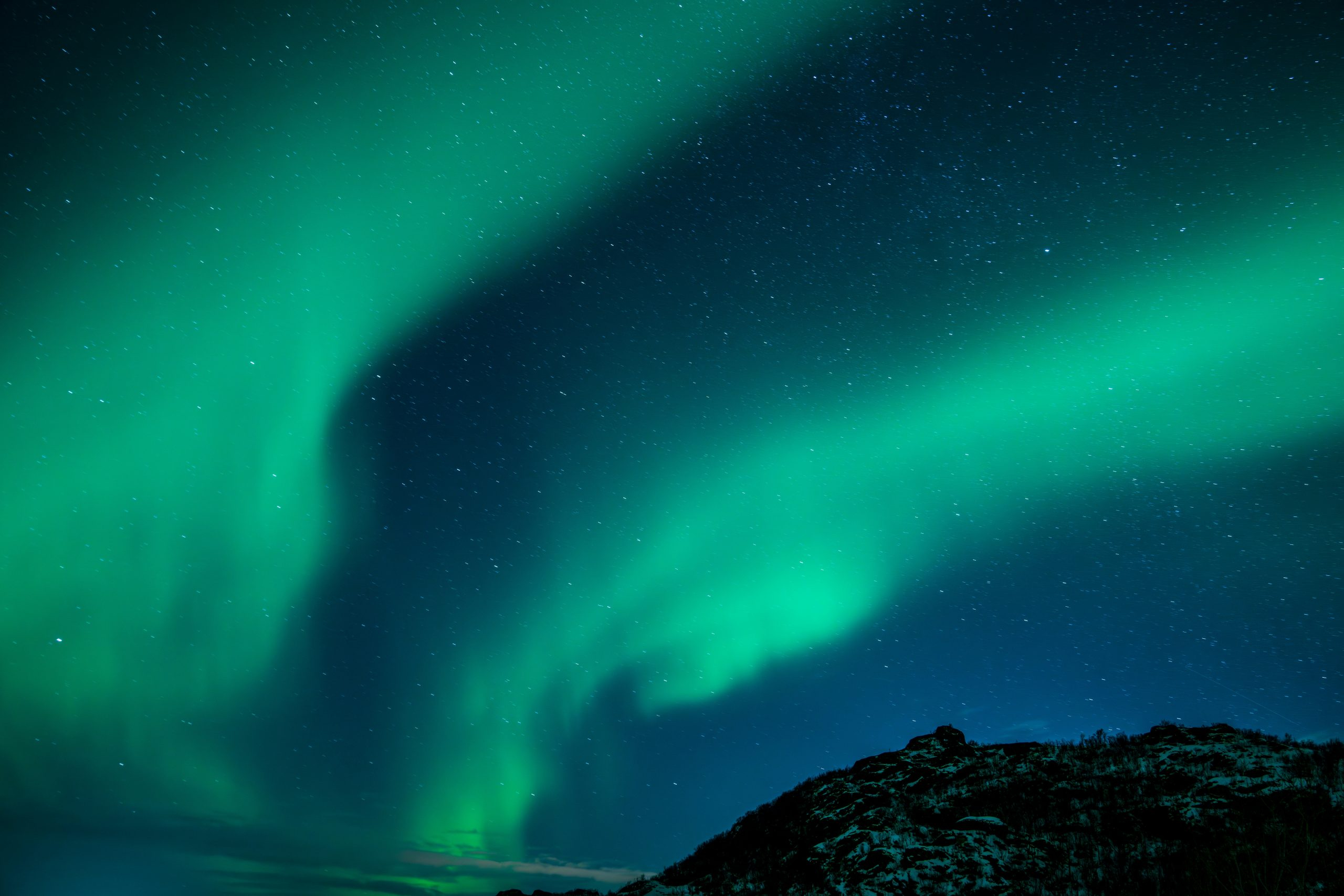
Timing is Key
One of the most crucial factors in catching a glimpse of the Northern Lights is timing. While they can occur at any time during the year, the best time to see them is during the winter months (September to March). This is because the nights are longer, and the skies are darker, which creates ideal conditions for viewing the lights. It is also essential to check the weather forecast for clear skies, as clouds can obstruct the view.
Location, Location, Location
The location you choose to view the Northern Lights can greatly impact your chances of success. Ideally, you will want to be in a place away from the light pollution of cities and towns. Popular Northern Lights destinations include Iceland, Norway, Finland, and Alaska. However, if you are limited in your travel options, there are still ways to increase your chances of seeing the lights. Head to an area with minimal light pollution, such as a national park or a remote countryside, and face north towards the horizon.
Understand the Science
While some people may view the Northern Lights as a magical occurrence, there is actually a scientific explanation for this natural phenomenon. As mentioned earlier, the lights are caused by charged particles from the sun colliding with our atmosphere. The different colors of the aurora borealis are a result of the different gases in our atmosphere and the altitude at which the particles collide. Understanding the science behind the Northern Lights can make the experience even more fascinating and give you a better appreciation for this stunning natural event.
Be Patient and Stay Up Late
Seeing the Northern Lights requires patience and, in most cases, late nights. The lights can be unpredictable, and it may take some time for them to appear. It is essential to keep an eye on the sky and be patient. It may even be necessary to stay up until the early hours of the morning, so make sure to pack plenty of warm clothes and snacks to keep you going. Remember to also give your eyes time to adjust to the darkness for optimal viewing.
Capture the Moment
No trip to see the Northern Lights would be complete without capturing the experience. However, taking photos of the lights can be tricky, and it is essential to have the right equipment and settings. A tripod is necessary to avoid blurry images, and it is recommended to use a wide-angle lens. Play around with different shutter speeds and ISO settings to find the right balance and capture the vibrant colors of the aurora borealis.
Tips for Staying Warm
When chasing the Northern Lights, you will likely be spending extended periods in cold temperatures. It is crucial to dress appropriately and stay warm to fully enjoy the experience. Layering is essential, and make sure to wear a waterproof outer layer in case of rain or snow. Keep your hands and feet warm with gloves and insulated boots, and wear a hat to prevent heat from escaping through your head. Hand and foot warmers can also be a lifesaver for staying toasty in the freezing temperatures.
In conclusion, chasing the Northern Lights can be a once-in-a-lifetime experience that requires careful planning and a bit of luck. By considering the timing, location, understanding the science, and being patient and prepared, you can increase your chances of viewing success. So, pack your warmest clothes, camera, and sense of adventure, and be ready to witness one of nature’s most mesmerizing wonders.
![The Unforgettable Smell That Defined My Trip to [Country]](https://www.circuitpage.com/wp-content/uploads/sites/88/2025/12/pexels-photo-2612113-scaled-300x200.jpeg)